Do you have used upright piano steinway in your company
FAQ 2021-07-13
Can You Get Used Upright Piano Steinway From Sisia Music? Availability & Replacement Buying Guide
1. Clear Answer: Availability of Used Upright Piano Steinway at Sisia Music
I talk to piano importers, studio operators and instrument retailers from all over the world every month. One question pops up over and over: can Sisia Music Co., Ltd. ship ready‑stock used upright piano steinway for wholesale orders? If you focus on high‑end instrument segments, this question makes total sense. A well‑kept Steinway upright carries strong pulling power for collectors, professional teachers and affluent end‑users.
Anyone working within pre‑owned instrument trade will tell you that good‑condition used upright piano steinway rarely appears on open markets. Many new buyers cannot figure out why stock stays so limited. From my years handling second‑hand piano channel work, there are four real‑world core causes behind this persistent shortage.
First, the overall ownership base is comparatively small. Steinway builds premium hand‑crafted instruments. Its total historical output sits far below mass‑market brands like Yamaha and Kawai. Brand‑new Steinway units also come with a steep retail price tag. Only a limited number of households and institutions invested in these pianos in the first place. That leaves a small starting pool that could later flow into the second‑hand market. You cannot sell what never existed in large quantities.
Second, existing owners are very reluctant to part with their instruments. Many treat their Steinway as heirloom pieces. Think about how regular household pianos circulate. Quite a number of entry‑level pianos get resold once children give up piano lessons. That pattern hardly applies to Steinway owners. Most are performing musicians, long‑time classical music fans, or high‑income families. With proper routine maintenance, a Steinway can easily last more than a hundred years. Owners will normally hold onto them for decades. They only consider selling when major life events happen, such as cross‑border relocation or emigration. On top of that, decent Steinway models hold value and may even appreciate over time. Owners feel zero pressure to rush into liquidation.
Third, high practical barriers stop most ordinary dealers from taking these pianos into inventory. Have you ever thought why local music stores seldom carry pre‑owned Steinway uprights? Evaluating one demands solid technical know‑how. You need to verify serial numbers, confirm manufacturing origin, inspect soundboard health, test action performance, and check records for major overhauls or non‑original replacement parts. You also have to watch for heavily refurbished units or pianos with altered serial numbers. Those fakes trip up many inexperienced buyers.
Transport creates another big headache. Moving a Steinway carries notable risk of cosmetic or internal damage, especially for grand‑sized variants. Shipping expenses run high, and holding this kind of inventory locks up huge amounts of capital. For all these reasons, small‑and‑medium piano shops choose to stay away. Quality second‑hand Steinway stock mostly circulates among a small circle of dealers who specialise exclusively in vintage high‑end pianos. They do not flood general‑purpose second‑hand sales channels.
Fourth, desirable examples get snapped up almost instantly once listed. Market demand for genuine used upright piano steinway stays consistently high. When a unit arrives with solid condition, clear provenance and reasonable pricing, professional instructors, concert venues, private collectors and premium studios move fast to close deals. Very few quality pieces filter down to regular wholesale buyers. What you often see on public marketplaces are heavily overhauled, worn‑out old pianos. Those should not count as premium‑grade inventory at all.
One point worth clarifying: second‑hand Steinway pianos are not 100 % absent from the market. It is just that quality units with verified condition, fair pricing and complete documentation remain extremely hard to source. That creates the widespread impression that “you can hardly find any”.
With that background laid out, let us state our position plainly. Sisia Music Co., Ltd. does not maintain regular spot inventory for used upright piano steinway. We do keep active links with trusted vintage piano channels though. If you have genuine interest in sourcing these instruments, reach out to our sales team ahead of time. We can add you to our priority waiting list and alert you whenever matching resources surface.
Do keep realistic expectations. This matching service fully depends on market supply fluctuations. We cannot promise fixed lead times. You will need patience and a bit of luck.
I have seen many B2B clients get stuck here. They build purchasing plans around rare Steinway stock, then face long unplanned delays. If your project timeline cannot afford extended waiting periods, you will need viable backup options. Reliable substitute second‑hand pianos can keep your inventory pipeline running smoothly.
2. Reliable Alternatives: Used Piano Yamaha & Used Kawai Grand Piano
The second‑hand piano wholesale space offers several proven work‑arounds when premium vintage Steinway stays out of reach. A great many music schools, family buyers and teaching studios run their whole business perfectly well on substitute models. Among these options, used piano yamaha stands out as the most widely accepted choice across global markets.
Why does used piano yamaha perform so well in cross‑border trade? Yamaha built decades‑worth of standardized mass‑production workflows. Their used uprights show consistent mechanical behaviour, lower failure rates and straightforward maintenance requirements. End‑users already know the brand, which speeds‑up retail turnover. For wholesalers, this means predictable inventory risk, something you will never get when chasing scarce used upright piano steinway.
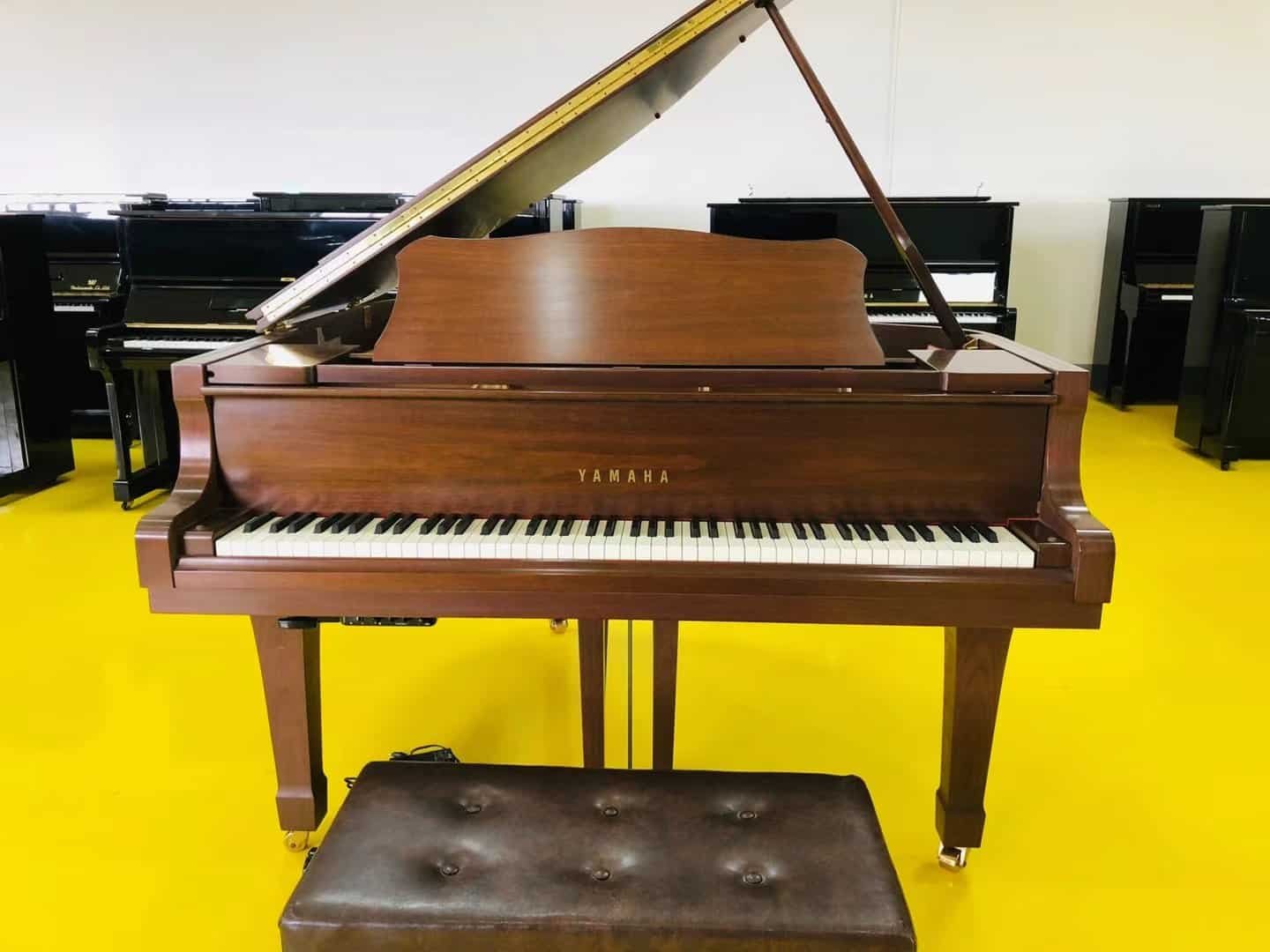
From my real‑world sourcing experience, I have watched numerous new buyers make a simple mistake. They compare Yamaha uprights directly against collectible‑grade Steinway, and set unreasonably high performance benchmarks. Remember, substitutes solve practical commercial needs; they are not exact performance duplicates.
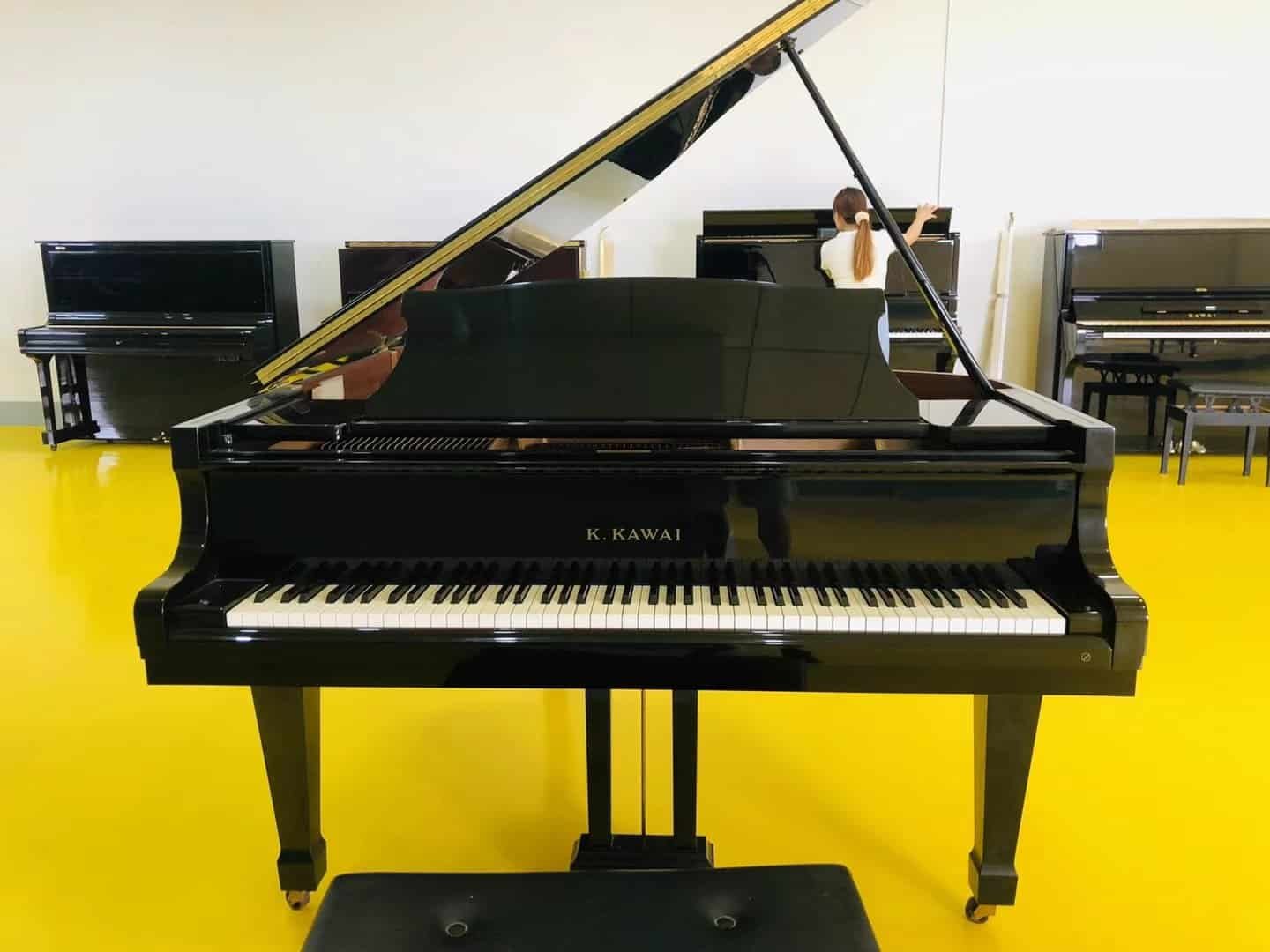
If your customers lean toward grand‑piano playing experience instead of upright formats, used kawai grand piano deserves your attention. A well‑preserved used kawai grand piano delivers richer tonal layers and more responsive mechanical feedback compared to most upright instruments. These units fit recital rooms, advanced teaching studios and upscale home settings. Supply volumes are far more stable than vintage Steinway stock, and wholesale pricing stays transparent.
Beyond used piano yamaha and used kawai grand piano, pre‑owned Pearl River and Hailun pianos also serve as practical bulk‑buy alternatives. They fill the budget‑conscious segment nicely. You can mix these into your product portfolio to cover broader customer groups.
Even with all these solid substitutes available, industry insiders recognise a clear boundary. Alternative instruments handle daily teaching and casual performance tasks competently. Still, nothing can fully replicate the tonal nuance and collectible value found in a top‑tier used upright piano steinway. Serious performers and dedicated collectors will continue to seek out genuine Steinway whenever possible. This gap explains why so many high‑end dealers keep hunting for limited vintage stock despite all the difficulties.
3. Sisia Music: 100% Original Piano Factory, No Middleman Trading
Before you move further on sourcing decisions, I think it is important to clarify our company identity. Many overseas partners misunderstand what we do. Sisia Music Co., Ltd. is a piano research‑and‑manufacturing factory based in Zhejiang, China. Our core business focuses on designing, building and exporting brand‑new pianos. We hold our own proprietary brands Sabreen for high‑end lines and BADIVIA for cost‑effective civilian markets, alongside flexible OEM and ODM custom manufacturing for global brand holders.
We are a genuine production‑oriented factory, not a second‑hand piano broker or general‑purpose trading house. Have you dealt with typical instrument traders before? Most traders own zero production capacity. They source goods from scattered suppliers, mix batches together and resell them. They cannot control consistent craftsmanship, nor can they fix quality issues at the manufacturing source. That creates plenty of hidden headaches for B2B purchasers.
Every core production step for our new pianos happens inside our own facility. We operate complete workshops, R&D departments and dedicated quality‑check stations. We welcome global buyers to schedule advance on‑site factory visits. During your tour you can walk through assembly lines, examine finished‑product showrooms and observe our quality‑control workflows in‑person.
When international travel proves impractical, real‑time video factory tours remain available on all working days. We also accept formal third‑party audit requests from our B2B clients. Our factory‑direct sales model removes middle‑man markup for all our newly‑built piano product ranges.
Please note that our factory verification services mainly apply to our brand‑new manufactured goods. Although we offer auxiliary resource‑matching support for hard‑to‑find instruments such as used upright piano steinway, we do not run large‑scale piano restoration workshops. Second‑hand piano matching is a value‑add service for existing cooperative clients, and not our primary business activity.
Whether you pursue rare used upright piano steinway, large volumes of used piano yamaha, or sample inquiries for used kawai grand piano, our sales team can share market insights accumulated from years in this industry. Still, you should never treat us as a dedicated second‑hand piano dealer. Our greatest strength always lies in stable new‑piano mass‑production and customisation.
4. Practical B2B Sourcing Tips for Second‑Hand Piano Procurement
Over time I have collected many practical observations while supporting overseas piano wholesalers. A few straightforward precautions can help you avoid expensive missteps when buying pre‑owned pianos.
First, do not build your whole inventory strategy around scarce collectible‑grade stock like used upright piano steinway. These instruments pop‑up irregularly. You cannot guarantee supply for container‑size orders. Smart wholesalers balance small opportunities for premium vintage pieces against steady stock from options such as used piano yamaha or used kawai grand piano. This balanced portfolio protects your cash flow and keeps your retail shelves supplied.
Second, never make buying decisions based only on photos and short written descriptions. Condition varies wildly among pre‑owned musical instruments. Always request detailed condition reports, serial‑number documentation and, whenever feasible, inspection feedback from independent qualified piano technicians. Hidden wear inside hammers, soundboards or pin‑blocks can trigger huge repair bills after goods clear customs. I have met buyers who learned this lesson the hard way after receiving high‑value second‑hand pianos with unreported internal damage.
Third, get familiar with local import regulations for second‑hand musical instruments. Different countries impose special quarantine and document requirements for used goods. Missing paperwork will cause port hold‑ups and unexpected extra fees. Also remember that even well‑maintained pre‑owned pianos almost always require tuning and regulation after long ocean transit. You need to budget for these post‑arrival service costs in advance.
Fourth, set realistic product positioning for each piano category. Make sure your sales team understands the difference between collect‑grade vintage instruments and functional substitute models. Mis‑positioning goods will mislead your end‑customers and generate unnecessary returns and complaints.
If waiting for rare vintage piano resources creates too much risk for your current business cycle, turn your attention back to our core factory output. Our Sabreen and BADIVIA new‑piano product lines, plus custom OEM / ODM projects, deliver repeatable, stable batch supply for your wholesale business.
To sum‑up what we have covered here: Sisia Music Co., Ltd. does not keep spot‑on‑hand used upright piano steinway ready for immediate shipment. Four industry‑wide factors create this shortage: limited original ownership base, low resale willingness from existing owners, high technical and financial barriers for dealers to recycle these pianos, plus rapid sell‑through once quality examples hit the market. We can add you to a priority waiting‑list for resource matching, yet timing and actual availability remain uncertain.
If your procurement timeline cannot tolerate long waits, viable alternatives include used piano yamaha, used kawai grand piano, alongside pre‑owned Pearl River and Hailun pianos. These models satisfy most practical teaching and retail scenarios. Even so, for musicians and collectors chasing ultimate tonal performance and heritage value, used upright piano steinway maintains its one‑of‑a‑kind market standing.
As an authentic source piano manufacturer, we deliver factory‑direct new‑piano supply. Global B2B customers are welcome to book on‑site factory appointments or arrange real‑time video plant tours. We also provide flexible OEM and ODM customisation services, aiming to deliver low‑risk, dependable piano‑sourcing solutions for instrument wholesalers worldwide.
Authoritative Industry Reference
If you wish to deepen your knowledge covering vintage piano evaluation criteria, second‑hand piano market dynamics and well‑known piano brand histories, you may review relevant public entries on open authoritative platforms such as Wikipedia. These industry resources help global wholesale buyers better judge instrument value, recognise widespread second‑hand‑piano sourcing pitfalls, and build more stable long‑term purchasing strategies whether you are seeking used upright piano steinway, used piano yamaha or used kawai grand piano.