Digital Piano 6 Factors Global Buyers Must Check When Sourcing from China
Category:Digital Piano
Product Details
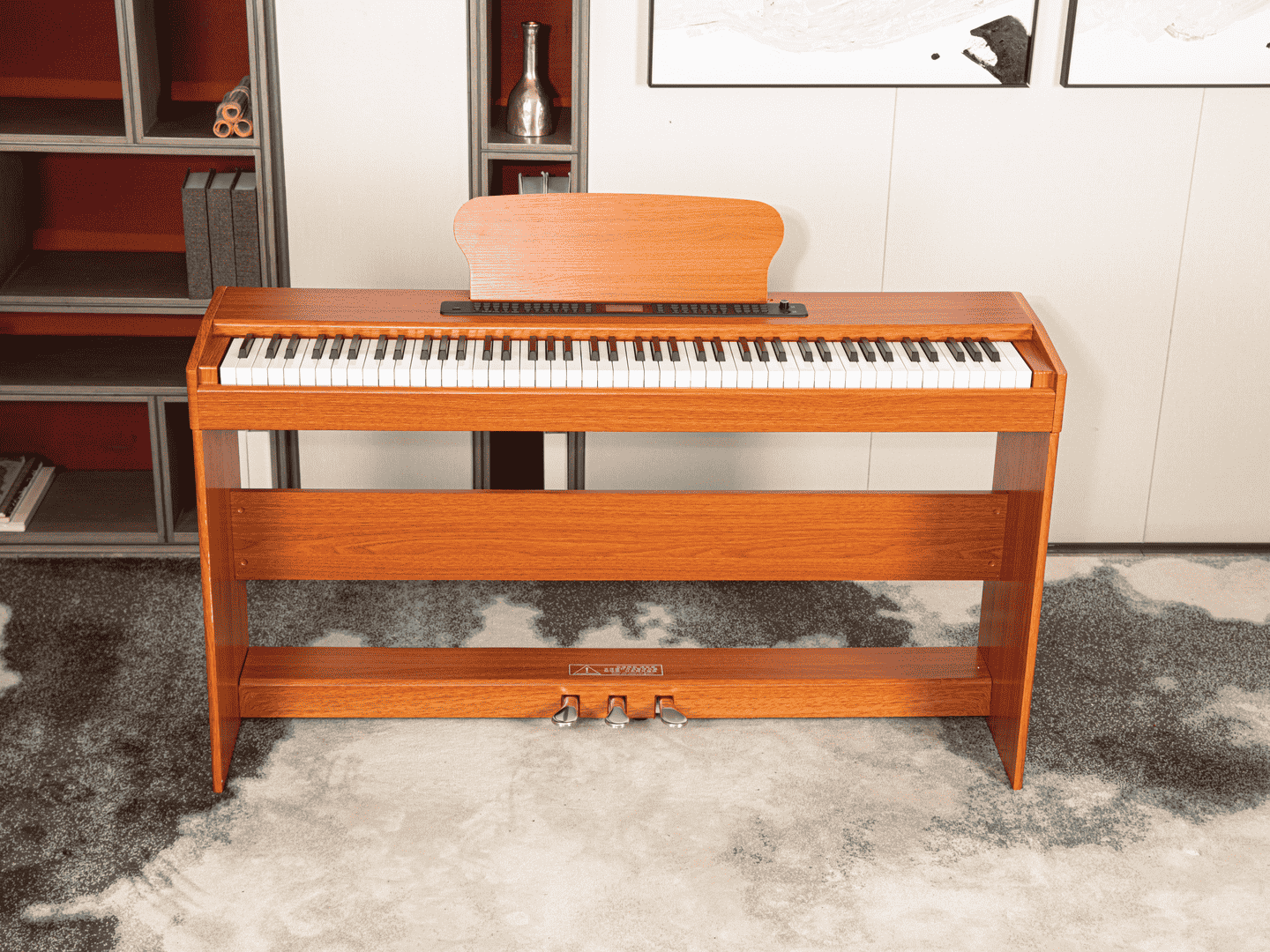
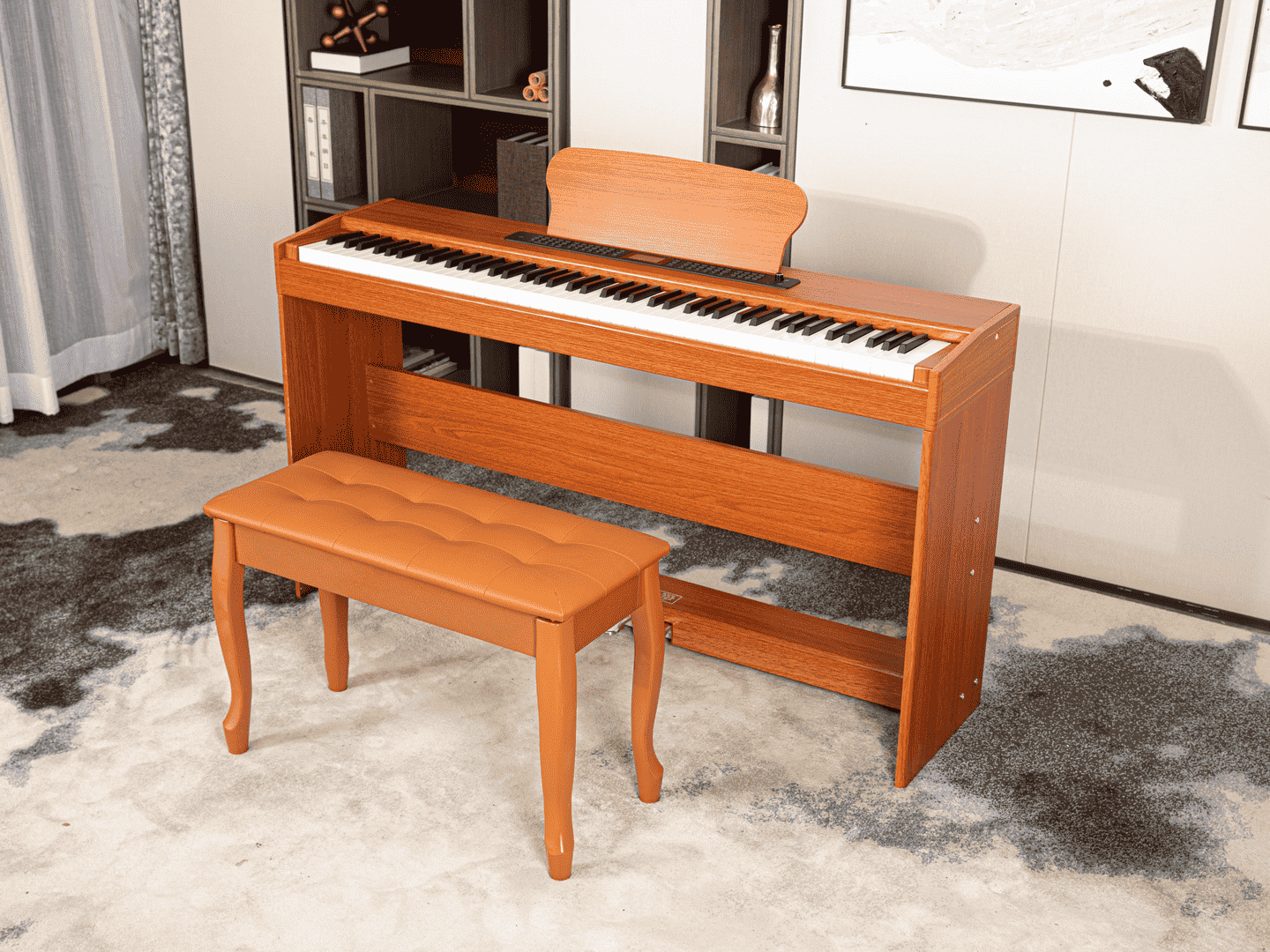
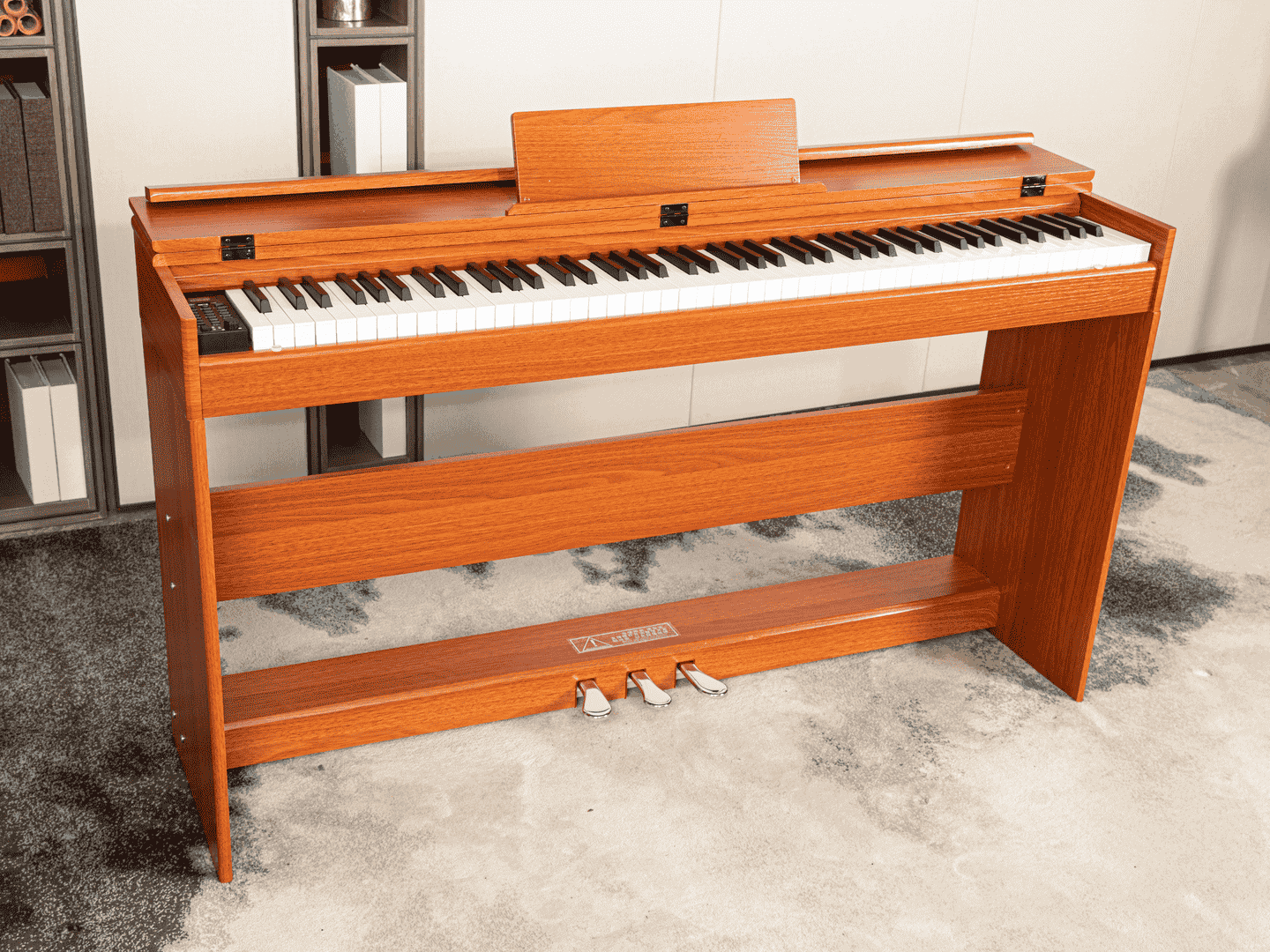
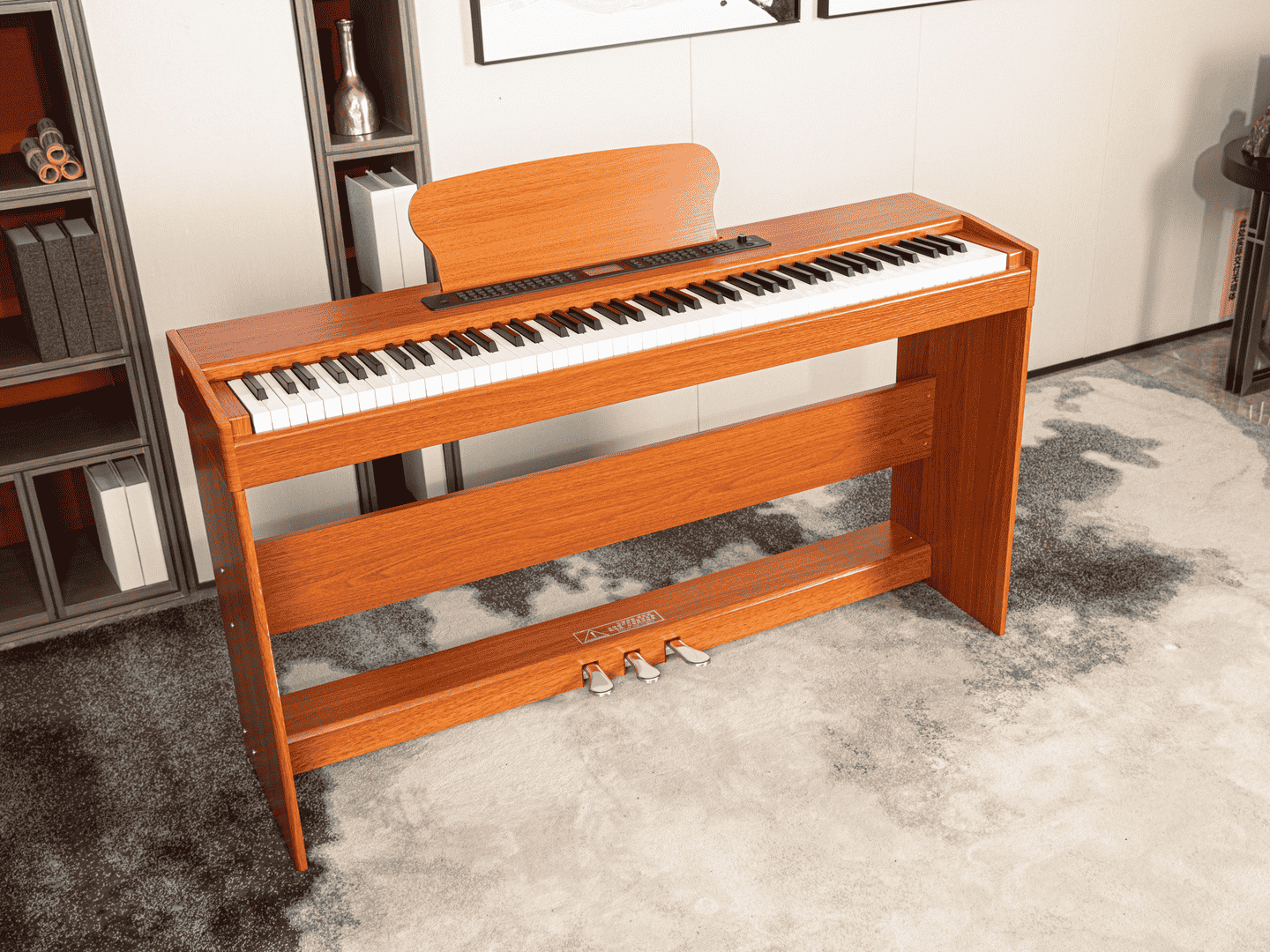
Professional Digital Piano Manufacturer Custom & Wholesale Digital Piano for Beginners & 88 Keys Piano Solutions
1. Real Factory Introduction: Sisia Music Co., Ltd.
Anyone with long-term experience sourcing musical instruments in China knows how prevalent middleman pitfalls are in this industry. Most trading firms have no in-house production capacity at all. They source generic goods from random small workshops, repackage them, and resell them at marked-up prices. Worse still, they cannot guarantee consistent quality, stable lead times, or reliable after-sales support for bulk orders. This unstable supply chain has troubled countless overseas importers, music school operators, and retail brand owners for years.
This is exactly why partnering with a genuine source factory is non-negotiable for sustainable B2B growth. Sisia Music Co., Ltd. is a professional manufacturer focused entirely on the research, development, mass production, and global wholesale of high-quality digital piano units. Based in Zhejiang Province, China, we operate our own independent production workshops, R&D labs, and complete quality inspection systems. Every single digital piano we ship is fully produced and tested in our facility. No outsourcing, no third-party resale, and no hidden quality risks.
Many overseas buyers hesitate to place large orders simply because they cannot verify a supplier’s real production scale. We fully understand this concern and keep our factory completely open for verification. Global B2B clients can schedule an on-site factory inspection at any time to check our production lines, finished product exhibition areas, and quality control processes in person. If cross-border travel is inconvenient, real-time video factory tours are available every working day. We also welcome formal third-party factory audits, ensuring every cooperation project is transparent and compliant.
2. Core Product Line: Full-Size Digital Piano for Global Markets
2.1 Practical Digital Piano for Beginners
Entry-level music education has unique product demands that many low-cost suppliers fail to meet properly. Most budget-grade pianos on the market cut corners on key weighting and tone sampling. This leads to stiff key feedback, distorted sound output, and unstable system operation. Have you ever considered how poor-quality beginner pianos ruin new learners’ basic music sense and playing habits?
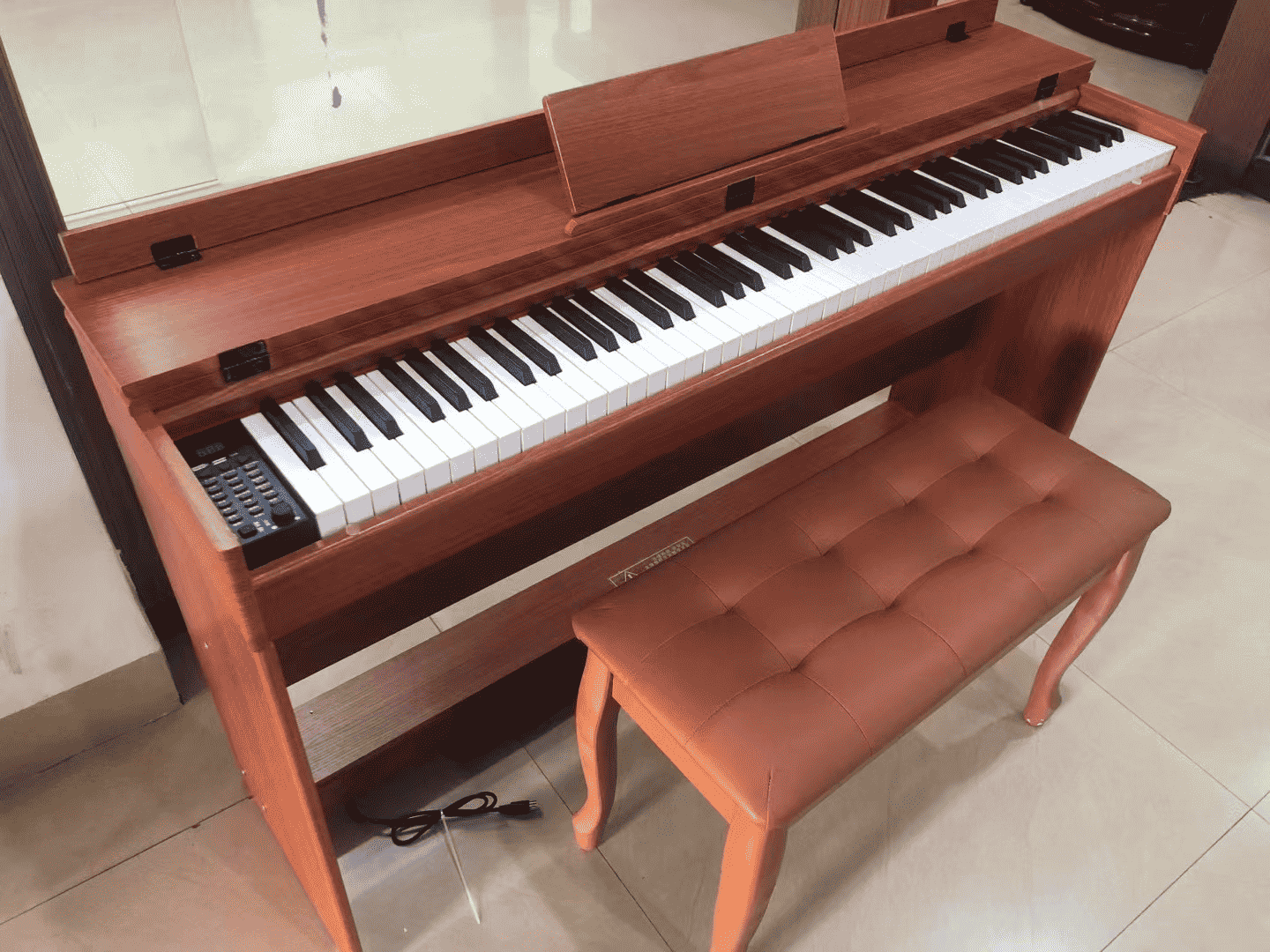
Our dedicated digital piano for beginners lineup solves these common industry flaws. We optimize key resistance and tone sampling specifically for novice practice and basic teaching scenarios. The key touch is balanced and user-friendly for both kids and adult learners, while the built-in tone remains stable and standard for long-term daily practice. The simplified operation system, built-in metronome, and demo tracks make these devices extremely practical for music school batch procurement and family learning use. For overseas distributors, this series is always the most cost-effective option to capture the mass entry-level market.
2.2 Standard Full-Size Digital Piano 88 Keys
When it comes to formal music training, skill examinations, and professional teaching, incomplete keyboard layouts simply cannot meet industry standards. Small 61-key and 73-key electronic pianos are only suitable for casual entertainment, not systematic learning. This is why full-size professional models remain the mainstream choice for institutional buyers worldwide.
Our standard digital piano 88 keys fully replicates the standard key layout and weighted touch of acoustic pianos. Each key undergoes individual pressure calibration and tone debugging to ensure uniform feel and sound across the entire keyboard range. These pianos support external pedal connection, audio expansion, and intelligent music software linkage, fully meeting the needs of intermediate learning, stage performance, and formal academic assessment. In our bulk export business, the digital piano 88 keys model consistently ranks as our best-selling product for professional institutional clients.
3. Four Professional Custom Cooperation Modes for Global B2B Clients
What separates us from ordinary trading companies is our flexible multi-dimensional customization capability. Most resellers can only offer fixed finished products with zero adjustable space. As a real factory, we support four mature cooperation models: OEM, ODM, JDM, and OBM. This diverse system covers the needs of all types of overseas buyers, whether you are building a new brand or expanding mature market product lines.
3.1 OEM Customization: Mature Product OEM Branding
OEM cooperation is the most practical choice for most established overseas brands. If you already have stable market channels and complete brand operation systems, there is no need to invest heavily in product R&D and mold development. Our mature digital piano finished products can be customized with your exclusive brand LOGO, personalized packaging, and tailored user manuals.
We strictly protect client brand data with formal confidentiality agreements. No customized design or brand information will be shared with third parties. The production cycle is stable and predictable, ideal for brands looking to quickly expand product categories and increase market inventory without extra R&D risks or high upfront costs.
3.2 ODM Customization: Appearance & Function Independent Design
Homogeneous product competition is one of the biggest profit killers in the global musical instrument market. If your local market is flooded with identical generic pianos, differentiated customization is the best way to boost your product premium. Our ODM service focuses on secondary development based on our stable core technology.
We can adjust panel colors, outer shell styles, functional modules, tone characteristics, and key touch parameters according to your market positioning. We provide full-process services from scheme confirmation and sample proofing to mass production. This allows buyers to launch exclusive customized products in a short time, effectively avoiding low-price competition and improving local market competitiveness.
3.3 JDM Joint Development: Deep Custom R&D Cooperation
For professional buyers with independent market research capabilities and innovative product ideas, our JDM joint development model is the most advanced cooperation solution. We work alongside clients from the initial product concept stage. Our team optimizes internal acoustic structures, intelligent functional systems, key balance structures, and teaching modes based on your market demands.
This deep R&D cooperation is perfect for high-end brand iteration and new product market testing. Both parties share R&D achievements and market feedback risks, creating high-value exclusive products for segmented high-end markets. It is the preferred long-term strategic cooperation model for high-quality global suppliers.
3.4 OBM Independent Brand Supply
We also support pure OBM brand wholesale for new buyers who want quick market layout. We have complete independent product lines covering entry-level and professional grades. You can directly wholesale our self-developed digital piano series, including beginner-friendly models and standard digital piano 88 keys products. Factory direct supply eliminates all development barriers, letting new distributors quickly complete market layout with low investment risk.
4. Genuine Factory Direct Sales Advantages (No Middlemen)
Most profit compression and quality instability in the piano wholesale industry stems from intermediate links. Trading companies purchase goods from multiple scattered workshops, leading to inconsistent batch quality. Multiple layers of middleman markup also greatly squeeze the profit margins of overseas retailers.
Sisia Music strictly adheres to factory direct sales for all digital piano orders. Every product is delivered directly from our production workshop to overseas ports. There are no middlemen, no secondary price increases, and no quality mixing problems. Compared with trading company suppliers, our pricing is more transparent and stable, and our quality control standards are far more unified.
We can flexibly adjust production schedules according to client order volume. We support both small-batch trial orders for new market testing and large-container bulk orders for long-term stable supply. Every batch of products undergoes strict pre-shipment inspection, with complete export qualification certificates to ensure smooth customs clearance in Europe, America, Southeast Asia, and other mainstream global markets.
5. Factory Verification & B2B Cooperation Guarantee
It is reasonable for overseas buyers to be cautious about bulk overseas procurement. After all, unqualified suppliers will bring huge inventory losses and after-sales pressure. This is why we take the initiative to open all factory verification channels for global partners.
You can book an on-site factory visit to inspect our production scale, assembly technology, quality inspection standards, and warehouse management system face to face. For clients unable to travel internationally, real-time video factory tours are available during working hours. We can remotely display real-time digital piano production status, workshop operation procedures, and finished product inventory. Meanwhile, we fully accept third-party institutional audits to ensure every cooperation link is standardized and credible.
6. Stable Export Strength & Global Market Reputation
After years of steady development, our factory has accumulated rich cross-border trade experience. Our digital piano products are exported to dozens of countries and regions across Europe, North America, Southeast Asia, and the Middle East. We maintain long-term stable partnerships with local music training institutions, musical instrument retailers, and educational equipment procurement enterprises.
Our complete product gradient covers low-cost digital piano for beginners suitable for mass education scenarios and professionaldigital piano 88 keys for high-standard teaching and performances. This full-product layout allows our cooperative buyers to realize one-stop procurement and cover all customer groups in the local market. Strict quality control and flexible customized services have earned consistent positive feedback from global B2B clients.
Conclusion
As a professional and reliable digital piano manufacturer based in China, Sisia Music Co., Ltd. relies on independent production strength, four major customized cooperation modes, and a complete product system to provide stable supply solutions for global B2B buyers. Whether you need cost-effective digital piano for beginners bulk inventory, standard professional digital piano 88 keys teaching equipment, or in-depth OEM/ODM/JDM customized development, we can provide low-risk, high-quality factory direct sales services. With transparent factory verification conditions and stable export capabilities, we remain a trustworthy long-term partner for global musical instrument wholesale businesses.
Authoritative Industry Reference
If you want to further understand professional knowledge related to digital piano manufacturing techniques, standard configurations, tone sampling principles, and the latest trends in the global musical instrument wholesale market, you can check authoritative open resources such as Wikipedia. Professional industry entries help overseas procurement merchants accurately identify high-quality product standards, avoid common sourcing risks, and formulate more stable and scientific long-term brand cooperation and purchasing plans.
Frequently Asked Questions
Famous Global Piano Brand List Top 7 World‑Class Handcrafted Piano Collections
1. Introduction: Why Premium Piano Brand Standards Matter for Buyers
If you have spent years sourcing musical instruments or running music‑related businesses, you will quickly notice one reality. Products from different piano brands are far from equal in build quality. Plenty of entry‑level units can satisfy basic playing needs, yet they fall short when it comes to tonal depth, long‑term structural stability and collectible value. That explains why professional performers, concert halls, high‑end music schools and piano collectors consistently seek out well‑established piano brand options built on decades‑old hand‑crafting traditions.
Nearly all top‑tier concert‑grade pianos trace their roots back to classic European hand‑making techniques, predominantly from Germany and Italy. These iconic piano brands stick to time‑honored manual workflows, carefully source premium natural timber, and chase exceptional acoustic performance. For end‑users, these instruments serve more than daily practice purposes. They double as high‑value collectibles and reliable stage hardware for important recitals.
In this piece, we walk through seven world‑class piano brands widely respected across the global music industry. Alongside these well‑known piano brand names, we will also share background about Asian piano manufacturing development, including major domestic Chinese piano manufacturers, as well as our own high‑end manufacturing capacity. As an actual production facility, Sisia Music Co., Ltd. develops our in‑house premium Sabreen piano series and delivers professional OEM and ODM custom solutions for international buyers looking to build their own piano brand.
Many first‑time wholesale buyers make a simple mistake here. They only compare brochure parameters from different piano brands, without testing actual tone stability across different climate conditions. Specifications on paper cannot tell the whole story of a luxury piano’s real‑world performance.
2. Top 7 World‑Class Hall‑Level Piano Brand List
European craft‑oriented manufacturers have long dominated the global high‑end piano space. These heritage piano brands carry hundreds of years of hand‑building experience. Every step, from timber selection and soundboard sanding to frame assembly and final voicing, goes through strict manual oversight.
Mass‑produced industrial pianos follow a completely different logic. Luxury piano brands, by contrast, are engineered specifically for concert use, academic performances and premium collection scenarios.
2.1 Steinway & Sons
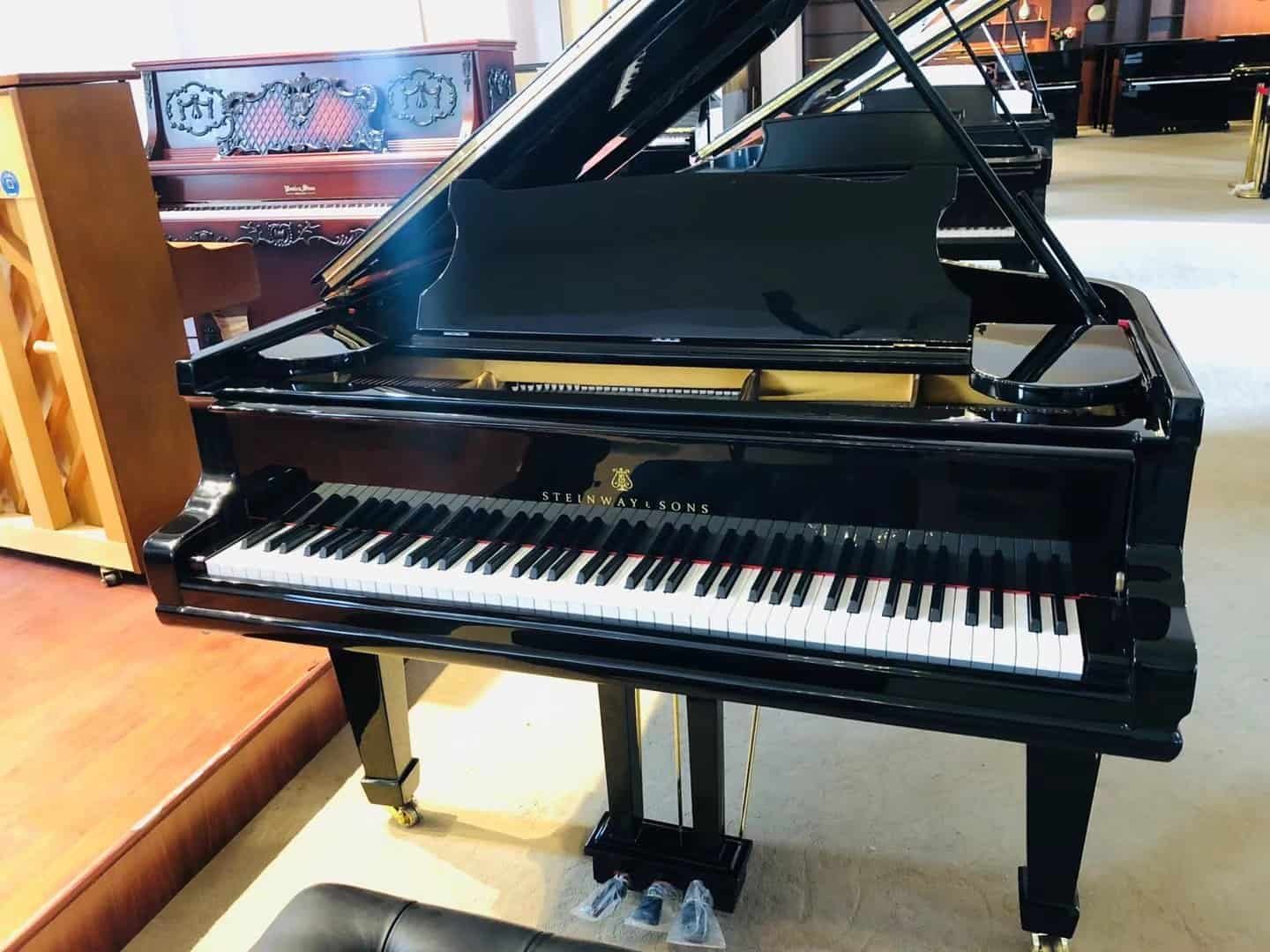
Few would argue against Steinway & Sons being the most influential top piano brand worldwide. This German‑American enterprise stretches back more than 170 years and has set the baseline for modern piano manufacturing. Industry data shows over 97 percent of touring professional concert pianists pick instruments from this piano brand for stage performances.
Each Steinway piano relies heavily on hand‑built work. The factory holds extremely high requirements for solid‑wood soundboards, string matching and internal mechanical assemblies. Its tone carries rich layers and strong projection, perfectly suited for large concert halls and private high‑end collections. For decades, instrument makers around the globe have studied and referenced manufacturing benchmarks set by this iconic piano brand.
One practical tip for importers: pre‑owned units from this piano brand flood some cross‑border markets. If you plan to stock second‑hand inventory, arrange thorough technical inspection, as aging soundboards and worn action parts are common hidden issues.
2.2 C. Bechstein
Founded in Berlin in 1853, C. Bechstein stands as a leading German high‑end hand‑made piano brand. Throughout European music history, many celebrated composers and musicians maintained long‑term partnerships with instruments from this piano brand. Its reputation rests on solid structural performance, clean tonal character and responsive keyboard touch.
Bechstein stays true to traditional German craftsmanship and avoids high‑volume assembly‑line mass production. Senior technicians spend many hours polishing each individual piano. Its overall aesthetic stays understated yet refined, with powerful musical expressiveness. You will frequently spot pianos from this piano brand inside professional teaching spaces and formal performance venues all over Europe.
2.3 Blüthner
Blüthner represents another legendary German top piano brand with deep historical roots. It earns its reputation thanks to its proprietary harmonic resonance system and warm, nuanced tone. Quite a number of upscale private concert halls and art museums choose pianos from this piano brand for both display and live performance.
Unlike competitors chasing maximum volume output, this piano brand prioritizes overtone balance and soft tonal character. Keyboard resistance feels even and consistent, and these instruments hold tuning remarkably well. Piano collectors and classical music enthusiasts hold this line in high regard, and pianos from this piano brand retain strong resale value over time.
2.4 Bösendorfer
Bösendorfer, the Austrian royal‑endorsed piano brand, ranks among Europe’s oldest piano producers. It targets exclusively top‑tier live performance and premium collection segments. Players recognize this piano brand for its deep bass resonance and wide, orchestra‑like sound field.
Numerous Vienna classical music events and major international piano competitions adopt instruments from this piano brand for official use. Its framework design delivers outstanding stability; many examples maintain consistent acoustic character after decades of regular play. Without doubt, it counts as one genuine hall‑level piano brand combining artistic merit and solid practical performance.
Keep one point in mind for buyers: its large‑size grand piano models require careful logistics planning. Shipping and on‑site installation costs can be much higher than standard‑size instruments from other piano brands.
2.5 Fazioli
Fazioli is Italy’s flagship hand‑crafted high‑end piano brand and a rising force within top piano brand circles. Even though its heritage is shorter compared with old German factories, this piano brand quickly gained high‑end market share through exacting build standards and innovative acoustic layouts.
Fazioli keeps annual output to roughly 100 fully hand‑built pianos. The piano brand pursues exceptional tonal subtlety, wide dynamic range and powerful musical expression. Many contemporary concert pianists favour these instruments, and you can find them featured in elite international piano contests and premium art performances.
2.6 Grotrian
Grotrian is a respected German high‑end hand‑built piano brand. It carries forward Germany’s well‑known precise instrument‑making philosophy. Design teams of this piano brand focus on balancing tone quality, keyboard response and long‑term reliability, yielding well‑rounded overall performance.
Pianos from this piano brand deliver bright, transparent treble alongside full, substantial bass. Key feedback remains uniform across the whole keyboard. These instruments fit professional teaching, solo recitals and premium home collection use perfectly. Within Europe’s local high‑end piano trade, this piano brand consistently earns solid word‑of‑mouth from customers.
2.7 Steingraeber & Söhne
Steingraeber & Söhne is a lesser‑known yet elite German piano brand, often described within the trade as a master‑craftsman‑level producer. The piano brand sticks to ultra‑high‑standard hand assembly and keeps yearly production volume very low. Every finished piano comes with considerable collection potential.
Instruments from this piano brand shine in mechanical responsiveness and tonal layering. Relentless attention to fine detail gives these pianos distinctive musical personality. Senior piano collectors and hosts of exclusive private concerts seek out products from this piano brand, making them one scarce high‑end option across global piano markets.
3. Industry Insight: Differences Between Luxury Handmade Pianos & Industrial Pianos
After reviewing these seven premium piano brand names, many wholesale buyers naturally ask: what really separates these concert‑grade hand‑crafted instruments from ordinary mass‑produced industrial models from budget piano brands? The gap goes far beyond outward appearance. It lies deep within material selection and core manufacturing techniques.
World‑class luxury piano brands typically deploy high‑grade solid spruce soundboards, long‑seasoned imported hardwood cabinet parts and hand‑adjusted string assemblies. Senior technicians manually refine keyboard feel and voicing for each unit.
Most industrial‑grade pianos, on the other hand, roll off streamlined assembly lines from low‑cost piano brands. Builders cut corners on procedures and raw materials. The resulting instruments deliver mediocre tone and struggle with long‑term stability.
Do not overlook one commercial reality. High‑end hand‑crafted pianos from top‑tier piano brands work as more than performance gear. They also hold value well and can even appreciate over time. Is it any surprise institutional clients and affluent private customers invest in classic luxury piano brand models for decades‑long use and collection?
That said, do remember: even the finest piano from premium piano brands still needs regular professional tuning and maintenance. No build quality can eliminate the impact of humidity swings and mechanical wear.
4. Leading Chinese Piano Manufacturers: Four Well‑Known Domestic Piano Brands
Over the past decades, China’s piano‑making industry has made huge leaps forward. A growing number of global distributors now keep an eye on Chinese piano brands. Some buyers only know a handful of export‑oriented factories yet remain unfamiliar with well‑established local domestic piano brands. Four names stand out as the most influential piano brands from China’s home market.
1. Pearl River Based in Guangzhou, Pearl River ranks as China’s largest‑volume piano brand and one of the biggest piano exporters out of Asia. This piano brand carries decades of manufacturing heritage. Many overseas buyers have encountered its instruments in cross‑border wholesale channels. The group manages two well‑known sub‑brands: Ritmüller and Kayserburg. Ritmüller leans toward mid‑range premium positioning, while Kayserburg targets higher‑end home and light‑performance scenarios. If you source entry‑to‑mid‑range upright pianos in large container volumes, you will likely run across product lines from this piano brand.
2. Xinghai Xinghai is China’s earliest state‑owned piano brand, founded in Beijing. This piano brand has built deep market roots across Northern China. Cost‑effective pricing forms its core competitive strength. A very large share of music training institutions purchase upright pianos from this piano brand for daily student practice. Most of its product portfolio focuses on upright piano models. For buyers building inventory for music‑school clients, Xinghai remains a common reference benchmark among budget‑grade reliable piano brands.
3. Hailun Hailun is a major private piano factory headquartered in Ningbo. This piano brand represents one of China’s most respected domestic high‑end piano brands. The company holds a large portfolio of independent technical patents. Its grand piano range earns particularly strong feedback from musicians. Instruments from this piano brand are exported to numerous countries around the world. Compared with mass‑volume budget factories behind other piano brands, Hailun invests heavily in material processing and acoustic tuning work, making it a solid option for buyers looking for mid‑to‑high‑end Chinese‑origin piano stock.
4. Changjiang (Yangtze River) Owned by Parsons Music Group and produced in Yichang, Changjiang is a landmark high‑end Chinese performance piano brand. This piano brand gained international recognition when it was selected as the official piano for the International Tchaikovsky Competition. Regarded as the benchmark for domestic Chinese performance‑grade piano brands, these instruments deliver rich, expressive tone suited for recital settings. For global buyers exploring premium Asian‑manufactured alternatives to European heritage piano brands, Changjiang is definitely worth sampling.
Working in this industry, I often remind international purchasers not to lump all “Made‑in‑China” piano brands into one single category. There is substantial quality gap between large reputable piano brands from formal factories and small unknown assembly‑house labels. Request sample units, run technical checks, and compare voicing and structural stability before placing bulk orders. That simple step helps you avoid many common procurement pitfalls when evaluating different piano brands.
5. Sisia Music: Professional Piano Factory With Independent High‑End Brand
As people’s pursuit of high‑quality musical instruments continues to improve, more global buyers are looking for reliable factory suppliers with piano brand building strength and customized capabilities. Sisia Music Co., Ltd. is a professional piano source manufacturer located in Huzhou, Zhejiang Province of China. We are a real production factory, not a trading company or intermediate reseller. Sabreen piano is our in‑house independent piano brand.
Unlike middleman enterprises that cannot control product quality for their resold piano brands, we own complete production workshops, independent R&D teams and strict quality inspection systems. We have long been committed to learning and absorbing the craftsmanship advantages of world‑class European piano brands, combining mature handmade technology with modern standardized production processes to create high‑cost‑performance high‑end piano products.
Our core independent piano brand Sabreen piano inherits the rigorous manufacturing standards of top luxury piano brands. We focus on optimizing tone performance, keyboard touch and structural stability. From material selection to finished product debugging, every link adheres to high‑end industry standards. Whether for family high‑end use, music school teaching or small‑scale performance scenarios, our piano brand Sabreen piano can provide stable and excellent musical experience.
6. Flexible OEM & ODM Custom Service for Global Buyers
Based on strong factory production capacity and R&D strength, we provide mature OEM and ODM customized services for global B2B customers who want to launch their own piano brand. Many overseas brand merchants want to launch high‑quality piano products that meet local market positioning but lack factory development and production capabilities to build a competitive piano brand. Our customized solutions can perfectly solve this pain point.
We support exclusive brand LOGO customization, appearance color adjustment, structural parameter optimization, tone style fine‑tuning and personalized packaging design. Whether you want to create mid‑to‑high end piano brand products or entry‑level cost‑effective models, we can complete proofing and mass production according to customer requirements. Compared with purely purchasing finished goods from existing piano brands, customized pianos can effectively avoid homogeneous competition and improve local market competitiveness for your own piano brand. A quick practical note: custom projects for your private piano brand require longer lead‑times. Always lock in timelines well ahead of your peak sales window.
7. Genuine Factory Direct Sales & Transparent Inspection Support
In the cross‑border piano wholesale industry, many buyers suffer from arbitrary price increases and unstable quality due to middleman layers reselling third‑party piano brands. Choosing Sisia Music means abandoning all intermediate links. We implement 100% factory direct sales, with transparent pricing and controllable batch quality whether you order our Sabreen piano brand or complete custom work for your private label.
To let every global customer purchase with confidence, we fully support factory verification work. You can make an appointment in advance for on‑site factory visits to inspect our production lines, finished product exhibition halls and quality control processes face to face. If you are inconvenient for cross‑border travel, real‑time video factory tours are available every working day. We also accept third‑party professional factory audits to ensure standardized and transparent cooperation for your piano brand projects.
Conclusion
The seven world‑class piano brands including Steinway & Sons, C.Bechstein, Blüthner, Bösendorfer, Fazioli, Grotrian and Steingraeber & Söhne represent the highest craftsmanship level of global handmade pianos. Products from these top piano brands are widely used in professional performances, high‑end collections and top music venues, setting the industry benchmark for high‑end musical instruments.
China’s piano‑making sector has matured rapidly in recent decades. Four major domestic piano brands, Pearl River, Xinghai, Hailun and Changjiang, each occupy their own market segments from educational‑grade instruments up to international‑standard performance pianos. As a rising high‑quality Chinese piano manufacturer, Sisia Music relies on our home‑grown Sabreen piano brand strength and professional OEM/ODM customization capabilities. We deliver dependable high‑quality piano supply services for global buyers, adhering to high‑standard craftsmanship and transparent factory direct‑sales mode, whether you source our ready‑made piano brand or develop your own private label.
When comparing piano suppliers for your business, do not only judge instruments by piano brand reputation alone. Examine material standards, internal assembly quality and real‑world tonal performance. These practical details will guide you toward smarter long‑term purchasing and brand‑cooperation decisions.
Authoritative Industry Reference
To further explore the development history, craft characteristics and market evaluation standards of classic piano brands, you can check professional industry entries on authoritative open platforms such as Wikipedia. In‑depth industry knowledge helps global piano distributors and institutional buyers better distinguish high‑end craftsmanship standards among different piano brands, avoid low‑quality homogeneous products, and formulate more scientific long‑term brand cooperation and procurement plans.
Are You Working With a Real piano manufacturer? Sisia Music Factory First‑Hand Insight
1. How To Tell Apart Real piano manufacturer From Trading Intermediaries
I talk with dozens of overseas instrument buyers every single month. One situation keeps popping up again and again. A client reaches out, shares a long list of requirements, and later finds out the company they have been negotiating with is not a producer at all. They are just a middleman buying finished goods elsewhere and reselling them.
Just last quarter, we had an inquiry from a buyer based in Australia. He told me he spent almost six weeks communicating with a supplier online. That supplier called themselves a piano manufacturer. After he asked for a live walk‑through of the production floor, the supplier kept making excuses. They sent over product photos downloaded from other websites, kept delaying video calls, and could not answer basic technical questions about wood processing for piano frames. Eventually the client realised he was talking to a pure trading firm. By that point he had already wasted a great deal of his project timeline.
Stories like this are far more common than many people new to this industry expect. When you start searching piano manufacturers in china online, you will run into countless listings. Many of those profiles look professional on the surface. They post product pictures, list price ranges, and claim full in‑house production. But they never actually build any pianos themselves.
A genuine piano manufacturer has to own its whole production workflow. That means handling raw‑material cutting and treatment, component fitting, mechanical assembly, tone regulation, and final quality testing under one roof. A trading business cannot tweak production parameters when you run into batch issues. They cannot adjust material selections for your market requirements. Any quality risk will pass straight on to you, the overseas buyer. There is very little they can do once defective goods get loaded into the container.
Sisia Music Co., Ltd. is a real piano manufacturer located in Huzhou City, Zhejiang Province, China. We run our own piano factory with physical assembly workshops, in‑house R&D staff, and independent quality‑control laboratories. We are not a trading company, and we do not source bulk finished pianos from third‑party workshops to resell. Every piano we ship out goes through our own production lines and internal inspection steps.
One question I get asked very often in emails: can I see your actual plant before I commit to large orders?
We encourage every serious overseas partner to complete some form of factory verification ahead of placing big bulk orders. You can submit an advance appointment and come to our site in Huzhou. Walk the production halls, look at ongoing assembly work, step into the tuning workshop, and check our finished‑goods warehouse in person.
If international travel does not fit your schedule right now, real‑time video factory tours are available during all working days. We will hold the camera through different zones of our piano factory, no pre‑edited clips or staged promotional footage. You can ask our on‑site staff questions while we move through each workshop area. These simple verification steps help you filter out fake suppliers before you lock in wholesale contracts.
2. Our Brand Portfolio & Custom Manufacturing Capacity
Running a piano factory means more than assembling generic instruments for other sellers. We built our own product lines from the ground up. sabreen piano is our proprietary in‑house brand, covering multiple upright piano models built for global wholesale markets. Alongside selling our branded finished stock units, our piano factory offers full‑scale OEM and ODM custom manufacturing for overseas customers.
I regularly hear from brand owners who want to launch their own piano line but have zero local production infrastructure. Some of these people used to work with traders before they found us. The trader would forward their custom requirements to unknown outside workshops, and information would get lost halfway. Logos came out misaligned, paint colours did not match samples, and no one could give clear answers when defects appeared.
Our OEM workflow avoids that disconnect. We can add your exclusive brand logo, adjust outer packaging, and match accessory sets built on our existing mature piano frameworks. Everything gets handled inside our own facility.
For buyers wanting deeper product changes, ODM work opens more room. We can modify cabinet appearances, surface finishing, and select certain internal component configurations to fit local market tastes. You can put your own brand label directly on pianos manufactured within our Huzhou‑based piano factory.
It helps to keep market positioning differences clear. High‑end concert‑grade pianos built in the United States, Europe, and Japan target collectors, top concert venues, and elite music academies. Those products sit in an entirely different price bracket.
What we focus on at our piano factory are civilian‑grade, mass‑market pianos. We prioritise solid usable performance and strong cost‑performance. Our instruments fit family home practice, community music schools, and mid‑range instrument retail stores. We are not competing head‑to‑head against luxury concert piano lines. Our customers are mostly distributors and educational procurement projects looking for reliable everyday‑use piano stock.
Our finished instruments get exported across many international markets. We ship to the United States, Canada, Southeast Asia, the Middle East, Europe, and Australia. We also take part in overseas musical‑industry trade shows from time to time.
At exhibition booths, our standard opening pitch stays straightforward. Welcome to our booth! We are Sisia Music Co., Ltd from Huzhou, Zhejiang. We specialize in manufacturing pianos and various musical instruments. We have our own brands and support OEM & ODM customization. Our products are exported to Europe, Australia, the Middle East and Southeast Asia. Feel free to touch and test our pianos here. If you are looking for reliable suppliers with good cost performance, we are your ideal partner. You are warmly invited to visit our factory in China anytime. Let’s talk about potential cooperation!
Quite a lot of our long‑term clients first stopped by our trade‑show booth, tested the touch and tone of our pianos on‑site, then followed up for further discussion. Some later scheduled real factory visits after returning home from the exhibition. That face‑to‑face product experience removes a lot of uncertainty for cross‑border buyers.
Custom orders do come with practical limits I feel I should mention openly. If you hope for heavy‑duty structural redesigns, that means new mould development. It will add sample costs and extend lead times. We lay all those facts out to clients early in conversations instead of promising unrealistic turnaround times just to win an order.
3. Key Benefits Of Buying Directly From Our piano factory
Working directly with a real piano manufacturer creates tangible advantages for international buyers when compared to sourcing via middle‑men.
The most obvious point is pricing transparency. When you go through multiple resellers, every link adds its own profit margin. Those extra costs finally land on your wholesale purchase price. By cooperating with our piano factory directly, you cut those intermediate layers out. Your spending goes toward raw wood, hardware parts, labour work, and factory operations. This gives you far more flexibility to set competitive retail pricing in your local market.
Quality control is another big plus. Our engineering and production teams work on‑site within the piano factory. When you submit change requests for OEM or ODM projects, your feedback reaches the technical team handling production immediately. Messages do not need passing back‑and‑forth through third‑party sales agents.
Every batch of pianos will go through pre‑shipment inspection before container loading. Our QC team checks keyboard response, tuning stability, cabinet finish, and hardware fitting. We document findings with photos. If we spot consistent small issues during inspection, our production team can adjust procedures before the whole shipment goes out. A trading company cannot make that kind of on‑the‑spot production adjustment.
You also get more direct technical support. Whenever questions pop up around product specifications, export documentation, or packing solutions, you talk straight to our internal sales and technical personnel. You will not wait around while a trading supplier emails several unknown external workshops trying to hunt down answers for you.
That said, direct factory sourcing is not some magic fix for every possible problem. Custom logo printing, special paint finishes, and brand‑new sample development all need reasonable production lead‑time. I have met buyers who expect custom‑modified pianos ready within two weeks. Real piano manufacturing cannot move that fast. It makes sense to map out realistic timelines before you sign off on formal order terms.
Small trial orders are totally acceptable for us. Many new partners start off with one small container to test local‑market feedback before scaling‑up to repeated large‑volume shipments. That approach lowers risk for both sides.
4. Who Should Consider Partnering With Sisia Music
Different types of B2B customers can find value working with us.
Instrument retail distributors hunting stable civilian‑grade piano inventory fit our model well. They need consistent supply, manageable wholesale cost points, and room for local‑market profit. Brand builders wanting private‑label piano goods can take full advantage of our OEM and ODM workflows. Music schools and educational procurement teams also frequently place bulk orders for student‑oriented pianos.
If your business mainly serves high‑end concert‑hall and ultra‑wealthy collector clients, our product range will probably not match your needs. We do not produce top‑tier luxury performance‑grade pianos. Our strength lies in dependable, cost‑effective wholesale pianos built for daily home practice and group teaching environments.
We keep flexible communication for both small trial batches and recurring large‑container contracts. Reach out to our sales team whenever you want more details. You can lock in an on‑site factory visit appointment or schedule a live‑streamed video tour to observe our piano factory operations yourself.
A number of our overseas partners combine both options. They start with a video walk‑through to check basic production status, then plan an in‑person factory trip during their next business visit to Asia. That two‑step approach works nicely for many busy international buyers.
Conclusion
Lots of piano manufacturers in china market themselves as real producers while they are actually only trading agents. Sisia Music Co., Ltd. operates as a genuine piano manufacturer with our own piano factory located in Huzhou, Zhejiang. We run sabreen piano as our proprietary brand, deliver OEM and ODM custom brand processing services, and export civilian‑focused, high‑cost‑performance pianos to the USA, Canada, Southeast Asia, the Middle East, Europe, and Australia. Buyers can book physical site visits or request real‑time video factory verification. Direct factory‑to‑buyer cooperation eliminates middle‑man markup and improves overall transparency for cross‑border piano wholesale work.
Authoritative Industry Reference
If you would like to learn more about global piano‑making history, practical factory evaluation standards and well‑known instrument brand backgrounds, you may review relevant public entries on authoritative open platforms such as Wikipedia. Reading these resources helps international buyers distinguish genuine piano manufacturer from intermediary traders and make better‑informed long‑term sourcing decisions.
China Piano Manufacturer: 7 Payment Terms You Need to Know for Overseas Orders
Ordering from a china piano manufacturer for the first time raises one question above all others: what payment terms can I actually trust? We hear this every week at Sisia Music Co., Ltd. from dealers in North America, Europe, and the Middle East. A dependable china piano manufacturer states its terms clearly, protects both sides, and never hides a fee. This guide walks through the seven payment methods we accept for international piano orders, how each one works, and the small pitfalls to watch out for. We are the factory behind Sabreen piano so when you deal with us you are talking to the source, not a trading company.
What Payment Terms Does a China Piano Manufacturer Normally Offer?
The first thing to understand is that payment terms in piano trade are not complicated, but they are standardized. Most suppliers expect a deposit to lock the order and a balance before shipment. At our piano factory, the common structure is 30% to start production and 70% against the copy of the shipping documents.
Why does a piano factory push for a deposit? Because a refurbished piano is prepped by hand, tuned, and crated specifically for your order. Once we cut wood for your crate and start restoration, the work is tied to you. A deposit is our way of confirming you are serious, and it funds the raw materials on your order.
Every piano factory in the trade is not the same, though. Some suppliers ask for 100% in advance on first orders. Others offer escrow through platforms. We take the middle, practical route: the buyer pays a fair deposit, and we carry the risk until the balance clears before loading. This balance of trust is why dealers come back to us for sabreen piano stock again and again.
The 7 Payment Terms a Reliable China Piano Manufacturer Accepts
Below are the seven methods we accept today. Choose the one that fits your volume, your bank, and your comfort with risk.
- Telegraphic Transfer (T/T)
T/T is the most common term in the industry. You wire the deposit, we confirm it, and production starts. When the pianos are tuned, regulated, and crated, we send photos, the factory video, and the packing list. You release the balance, and we ship. For a china piano manufacturer, T/T keeps costs low because there are no third-party fees, which means a better price for you.
- Letter of Credit (L/C) at Sight
For container orders and first-time partnerships, an irrevocable L/C at sight is the safest term for both sides. Your bank guarantees payment against our documents: bill of lading, invoice, packing list, and inspection report. We have handled L/Cs for years and our documents are clean, so banks release payment without delay. This is the preferred option when a buyer cannot do a large T/T balance upfront. If you are ordering sabreen piano grands in volume, L/C protects your capital until the goods are truly on board.
- Western Union
Western Union works for small deposits, sample orders, or urgent spot deals. It is fast and simple. We use it mainly for initial deposits under a few thousand dollars. The trade-off is cost and traceability, so we do not recommend it for full container payments.
- Direct Bank Wire (SWIFT)
A direct SWIFT transfer is the cleanest way to move larger amounts. You transfer in USD or EUR straight to our corporate account, and we issue a receipt within one working day. No hidden conversion spread, no card fees. For a piano factory, this is the daily workhorse for dealer reorders and single-container deals.
- PayPal and Credit Card
For first-time buyers and smaller orders, we accept PayPal and major credit cards on a case-by-case basis. This adds buyer protection and makes it easy to start with one or two units. Because card processors charge around 3–4%, we price these orders slightly higher or ask you to cover the fee. It is still a great low-risk way to test the piano factory before you commit to a full container.
- Escrow / Trade Assurance
If you are buying through a platform, escrow holds your payment until you confirm delivery. This is ideal when you are new to importing pianos from China and want an extra safety net. We support escrow arrangements and Alibaba Trade Assurance. The protection is real, and we still give you the full factory video and grading report so you can confirm quality before you release funds.
- Deposit-Balance Split with Pre-Shipment Inspection
Our default structure for all piano orders is 30% deposit plus 70% balance against the B/L. But we add one rule that matters: you may arrange a pre-shipment inspection, in person or by live video, before releasing the final balance. Once you see your sabreen piano on the line, tuned and crated, you release payment and we load the container the same week.
China Piano Manufacturer vs. Trader: How Payment Terms Differ
| Comparison Point | Direct from Our Factory (Sisia Music) | Buying from a Trading Company |
| Deposit on first order | 30% standard | Often 50–100% upfront |
| Price transparency | Factory price, no middle layer | Marked up for commission |
| Payment flexibility | T/T, L/C, escrow, card options | Usually T/T only |
| Inspection before balance | In-person audit or live factory video | Rarely possible |
| After-sales on payment issues | Direct, same-day response | Goes through a broker |
The table tells the real story. When you buy through a trader, you pay their margin and you lose the ability to verify the goods before releasing money. When you buy direct from a china piano manufacturer, you keep the factory price and you keep control of when the balance goes out. That is why serious dealers choose a piano factory that lets them audit the line first.
Frequently Asked Questions
These are the payment questions we answer most often from overseas buyers.
Do You Require a Deposit for Piano Orders?
Yes, and it is almost always 30% on a first order. The deposit covers the prep work, tuning, and custom crating for your specific units. On repeat orders, trusted dealers sometimes move to 20% or even net terms after a year of clean trading.
What Is the Typical Payment Split for a Piano Factory?
The industry standard is 30% deposit and 70% balance before shipment. Some piano factory suppliers push for 100% upfront on unknown buyers. We do not. A fair split builds long-term trust, and it is the structure we use on every sabreen piano export.
Can I Pay by Letter of Credit?
Yes. An irrevocable L/C at sight is welcome on container orders. We prepare clean shipping documents, and our bank history is long, so L/Cs clear without hold-ups. Send us your bank’s draft terms and our export team will review them within 24 hours.
Do You Accept PayPal for Piano Orders?
We accept PayPal for deposits and smaller orders. It is the easiest way for a first-time buyer to test a china piano manufacturer without wiring a large sum. We simply note the card fee in the quotation so there are no surprises.
What Currency Do You Use for Invoices?
We invoice in USD by default, and we can also quote in EUR or CNY. We set the rate at the time of quotation and hold it for the order, so you are not exposed to swings while we restore your pianos.
What Payment Terms Apply to Bulk Container Orders?
For containers, we offer three options: 30/70 T/T, L/C at sight, or escrow. Whichever you choose, you may arrange a pre-shipment inspection before releasing the final balance. This is the protection that matters most on a large order.
Is My Payment Protected When I Order from a Piano Factory in China?
Only if you choose the right terms. Escrow and L/C give you bank or platform protection. T/T is safe when you deal with a verified china piano manufacturer that allows factory audits and live video. Never pay a full balance to a supplier that refuses to show you its workshop.
Can I Visit Your Factory Before Making a Payment?
Yes, and we encourage it. Book an appointment to visit Sisia Music Co., Ltd., walk the restoration line, and check the stock with your own eyes. If you cannot travel, request a live video of the factory. Once you see the piano factory and the sabreen piano line for yourself, releasing that first deposit becomes an easy decision.
Final Thoughts: Pay with Confidence at a China Piano Manufacturer
Payment terms should never be a leap of faith. At Sisia Music Co., Ltd., we are the source manufacturer of Sabreen pianos and our BADIVIA line. We accept factory audits, we share live video of the workshop, and we sell direct — no middlemen, no inflated layers. You set the payment method that fits your business, and we protect the balance with a pre-shipment inspection you control.
If you want to understand how payment instruments like letters of credit work across borders, the general framework is explained on Wikipedia, where you can read about documentary credit and how banks settle international trade. Knowing the mechanics helps you pick the right term for your next sabreen piano or piano factory order.
Ready to order? Send your inquiry to Sisia Music Co., Ltd. today. Within 24 hours you will receive a clear quotation with payment options, grading reports, and a factory video. Let us make your first import from a china piano manufacturer smooth, transparent, and safe.
Can I Visit Your piano factory in China? Real‑World Visiting Tips From Sisia Music Co Ltd
1. Can overseas buyers really tour our piano factory?
I get this exact question over and over in our inbox, almost every week. Prospective wholesale partners write in and straight‑up ask: can I fly over and walk through your piano factory in person?
The short answer is absolutely yes, you are very welcome.
Just a couple months ago we had a client coming over from Europe. He reached out only two days before his flight and hoped to drop by our facility without prior scheduling. Our production floor was swamped with a large urgent batch order at that time. Most of our technical staff were tied up on the assembly line, and our showroom host was out for a business trip. We could not give him the full guided tour and hands‑on product testing he expected. He ended up only getting a quick, rushed look around the warehouse. That experience made both sides frustrated.
That real‑life example explains why we stress advance planning for any on‑site visit.
Sisia Music Co Ltd established our piano factory back in 2008. We build both upright pianos and grand pianos entirely on‑premises. We are not some trading company sourcing random stock from unknown outside workshops and reselling it. Every core manufacturing step happens within our own walls.
If you are planning physical travel to our site, send our sales team your visit request roughly one week ahead of your planned arrival date. Giving us that lead time lets us assign technical‑minded staff to show you around, free‑up access to active production zones, and set aside a range of finished sample pianos so you can sit down, play and test tone and key‑touch for yourself.
Lots of our contacts cannot make the trip to China for all kinds of practical reasons. Visa issues, tight project timelines, limited travel budget, there are dozens of valid reasons. We do not expect every interested buyer to fly out here.
Live real‑time video tours work well in those cases.
During a video session, we will hold the camera and move through our piano factory live. You will see active assembly work, quality‑check stations, tuning rooms, and finished‑goods storage. No pre‑edited marketing clips. You are watching what is actually taking place on our floor right then. You are free to interrupt at any moment, point your virtual camera at any workstation, and ask our on‑site technicians direct questions about materials or procedures. This has become a very common first step for many of our long‑term overseas partners.
A lot of first‑time buyers do not realise that video verification counts as a serious supplier screening tool. Many middleman traders will avoid live unscripted video walks for one simple reason: they have no actual piano factory to show you.
2. Our production standards and in‑house quality control
Running our piano factory since 2008 has taught me one hard‑won lesson. Good wholesale relationships do not survive on low prices alone. Consistent, repeatable product quality makes long‑term cooperation possible.
Every upright and grand piano we produce goes through full‑process in‑house quality control. This covers raw‑material screening at the very start of production, component assembly, mechanical regulation, repeated tone tuning cycles, all the way to final finished‑unit inspection before packing. Nothing gets shipped out until it passes each checkpoint.
We run multiple separate test rounds for every instrument. Keyboard weight balance gets checked piece‑by‑piece. Tuning stability is monitored over several days. Cabinet finish and all metal hardware are visually inspected. Any unit that fails internal standards gets pulled aside for rework. This hands‑on workflow helps us deliver dependable performance, solid craftsmanship, and realistic factory‑direct prices for our global customers.
Quite often potential partners bring up comparisons against instruments built at a yamaha piano factory. This comes up so frequently during conversations and factory tours that I have grown used to addressing it openly.
I want to state this plainly and respectfully. Yamaha has decades‑worth of accumulated acoustic knowledge, massive R&D investment, and world‑class tuning expertise. Their tonal performance sits at a very high industry benchmark. We never claim our instruments can fully match that level, and we do not position ourselves as their direct equal.
All the performance numbers I share come out of side‑by‑side internal testing our technical team carries out. No marketing fluff, just real comparison data.
Our standard production‑line pianos deliver around 70 % of the tonal character you would hear from comparable Yamaha or Kawai models. Meanwhile our factory price lands at approximately 20 % of their equivalent product cost. This configuration works surprisingly well for music schools, beginner home practice, and large‑volume educational procurement where strict budget limits apply.
If a buyer wants richer, more refined tone, we can adjust material selections and upgrade certain internal parts through customised production. When we implement those upgrades, our pianos can reach roughly 95 % of that same tonal benchmark. Naturally this raises manufacturing costs, and in this case our pricing moves up to around 50 % of comparable name‑brand instruments.
Even with that price increase, the cost‑performance ratio still holds strong for many market segments.
We will never overpromise what our pianos can do. Every set of performance figures gets laid out for our clients before they confirm samples or place orders. There is no single “best” option for everybody. Which specification fits your business depends entirely on your target end‑users, local retail price ceiling, and what kind of playing experience your customers expect. This is exactly where our custom‑build options bring real value.
3. Flexible OEM and ODM custom services from Sisia Music Co Ltd
As an operating piano factory, we support full OEM and ODM custom work to fit very different global‑market demands.
I recall working with a client from Southeast Asia a couple of years ago. He originally partnered with a trading agent for piano OEM work. The trader passed his requirements to an outside workshop he never got to see. Miscommunication kept happening. The printed logo ended up in the wrong position on cabinet panels. Surface paint shade deviated from the approved sample. When defects popped up in the first batch, the trader could not intervene in production to fix root‑cause issues. The whole project dragged on and ate into his selling season.
Situations like that are exactly what we try to avoid when handling custom projects for Sisia Music Co Ltd customers.
Standard OEM covers straightforward modifications. We can apply your unique brand logo, redesign outer carton packaging, swap‑out included accessories, all built upon our existing proven piano structures. All of this customisation work takes place inside our own facility, so information does not get lost bouncing between third‑party agents and unknown remote workshops.
ODM opens up deeper levels of modification. If you want to change cabinet styling, adjust surface finishing treatments, swap selected internal components, or fine‑tune tonal response for local regional preferences, these changes fall under our ODM capability.
Before we kick‑off any formal mass‑production run, we go through full sample confirmation. We list out expected expenses, sample‑making turnaround, and projected bulk‑order lead‑times in black‑and‑white. Nothing moves forward until the customer approves the physical sample. Our priority is building steady long‑run partnerships, not grabbing quick one‑time sales regardless of quality compromises.
New customers frequently ask me which tone‑performance tier they should pick for their first order. Should they go for the cost‑conscious 70 % tonal benchmark build, or invest extra budget for the upgraded 95 % tonal benchmark custom unit?
There is no universal correct answer.
Large‑volume educational procurement for music schools usually leans toward the more economical specification. Retail businesses targeting mid‑to‑high‑end household customers will often prefer investing in upgraded custom hardware and tone tuning. Once you share details about your local market, price range and primary buyer groups, our team can walk you through relevant real‑world reference cases to help you weigh the trade‑offs.
4. How to get quotation and start potential cooperation
Whether your plan is booking an on‑site factory trip, arranging a live video walk‑through, or simply requesting formal pricing information, you can reach out directly to Sisia Music Co Ltd.
When you write to us, sharing a few basic details speeds everything up. Let us know what piano types you are looking for, upright or grand. Give us your rough expected order volume. Mention if you need OEM or ODM custom adjustments. Also tell us which geographic market you will be selling into. With that context we can compile suitable quotations and relevant product reference material for you.
We focus on sustainable long‑term business. Many of our repeat global customers started with either a physical factory visit or a live‑streamed video inspection before placing their first trial container order. Starting with a smaller trial shipment is completely normal and encouraged. It lets you test market reaction before committing to huge volume.
Conclusion
Sisia Music Co Ltd is an established piano factory founded back in 2008, manufacturing both upright and grand pianos. In‑person factory visits are welcome, though one‑week advance booking is strongly recommended. Live video‑guided inspection is available for buyers unable to travel to China. Strict end‑to‑end quality‑control procedures guarantee solid craftsmanship and competitive factory‑direct pricing. Our OEM and ODM custom‑build options serve diverse global‑market requirements. We openly compare our instrument performance against benchmarks set by a yamaha piano factory without over‑inflating our own product claims. Global clients are encouraged to get in touch for quotations and explore potential long‑term business cooperation.
Authoritative Industry Reference
If you would like to expand your knowledge of acoustic piano manufacturing workflows, practical quality‑assessment standards and histories of well‑known musical‑instrument brands worldwide, you may look through corresponding public entries on authoritative open platforms such as Wikipedia. Studying these industry resources helps international buyers set realistic expectations when evaluating output from any piano factory, including Sisia Music Co Ltd, and supports more thoughtful long‑term procurement planning.
I love playing Beethoven’s Spring Sonata. I also frequently enjoy listening to this piece on YouTube. When you come to visit our factory for inspection, we can appreciate this wonderful music together on site. It carries warm and bright melodies, showing elegant classical charm. I hope this beautiful work can bring us a pleasant moment while we talk about piano business.
Upright Piano Wholesale MOQ Guide: 3 Key Answers Before You Place Your First Order
The question everyone asks us first
Nine out of ten emails we get start the same way. A buyer writes in, says they have been searching for a supplier for a while, and then asks that one question we can answer in a single sentence: what’s the minimum order for upright piano wholesale?
It’s a fair question. Nobody wants to lock themselves into a whole container before they’ve held a single unit in their own showroom. I’ve been on the factory floor long enough to know that fear is real, and it’s smart.
So here’s the plain answer. Our minimum is one unit.
You can test the waters with a single upright piano wholesale order, and we’ll give that trial the same attention we’d give a full shipment. Prefer to start a little bigger? We handle ten, twenty, or fifty units just as easily. There’s no hidden rule pushing you toward a bigger commitment than you’re comfortable with.
Why do we run it this way? Because we’ve watched too many overseas buyers get forced into oversized first orders by inflexible suppliers, only to end up sitting on slow-moving stock. A low starting point protects you. It lets you check the finish, feel the action, and see how the instrument survives shipping before you tie up serious capital.
Why a small order even works when you buy from a real piano factory
A low MOQ only makes sense if the people behind it actually manufacture the instruments. That’s the part that changes everything.
We are a piano factory, not a trading firm. Sisia Music Co., Ltd. builds both upright and grand pianos on our own lines here in Huzhou, Zhejiang. Because we make the pianos ourselves, we can accept smaller orders without the inflated per-unit cost a middleman has to charge just to stay alive.
Here’s the honest breakdown. When you buy through a trading company, every single unit carries extra margin, because the trader needs to profit between our workshop and your port. That margin pushes up your upright piano wholesale cost and forces the minimum order up to make the math work. Going direct removes those layers entirely. A one-unit trial becomes financially viable because your money goes into wood, hardware and labour, not reseller markups.
People often ask whether they can come check the factory first. The answer is yes. You can book a visit in advance and walk the floor yourself, or arrange a live video tour on a working day if travel doesn’t fit your schedule. Seeing the production line with your own eyes beats any brochure, and we’d rather you see it than take our word.
On those numbers people throw around
You’ve probably seen the marketing claims. Some suppliers say their pianos sound exactly like a top German or Japanese brand at a tenth of the cost. I’ll be blunt: that’s not honest, and we don’t say it.
What we can give you is real numbers from our own testing, with no spin.
A standard upright piano wholesale model from our line reaches roughly 70% of the tonal character you’d expect from internationally known brands like Yamaha and Kawai. At that spec, our price lands at about 20% of what their equivalent models cost. That’s a straightforward value option for markets where budget matters.
If you want higher-grade tone, we can swap materials and adjust internal components through custom production. With upgraded parts, our instruments can reach close to 95% of that tonal benchmark. Naturally that raises the price, up to about 50% of comparable name-brand instruments.
Even at the higher level, the value equation still holds up. Which configuration you pick comes down to your customers and your budget, and that’s exactly where our OEM service steps in.
One thing I’ll say plainly: we don’t exaggerate what we can do, and we never trash other companies to make ourselves look better. There’s enough noise in this industry already. We’d rather present the facts and let the results speak.
A thought from the buyer’s side
Plenty of newcomers assume a low price automatically means low quality. It doesn’t work that way, and I’ve seen that assumption cost people good opportunities.
What actually matters is where that low price comes from. If it’s low because you’re cutting out a middleman and buying from the source, you’re getting a fair deal. If it’s low because a supplier is skipping regulation steps or using substandard materials, you’ll find out the hard way months later.
That’s why factory verification matters so much. Ask to see the floor. Ask about key weighting and tuning records. A supplier who opens its doors without hesitation is usually one with nothing to hide.
How OEM works with your upright piano wholesale order
A low MOQ combined with a real factory opens doors that most small buyers never get to walk through.
We accept OEM work on upright piano wholesale orders. You can put your own brand logo on the instruments, choose custom packaging, and adjust the accessory set based on our existing, proven platforms. Since we manufacture everything in-house, custom branding doesn’t depend on coordinating with some outside workshop. The whole job stays under our roof, start to finish.
OEM makes real sense for distributors who want to build their own brand identity without paying for research and development from scratch. You get a branded product line backed by an established piano factory, with quality you can verify directly.
For deeper changes, ODM opens up more room. We can modify finishes, swap hardware combinations, and shape the tonal character to fit a specific local market. You tell us your target volume and preferences, we make samples, you approve them, and production follows.
One practical note here, learned the hard way over the years: custom work takes time. New samples and tooling don’t happen overnight, so plan around your selling season. Any supplier promising instant custom branding is probably cutting a corner you won’t see until later.
Why starting small is usually the right call
If you’re new to importing pianos, I’d genuinely encourage you to start small. Not because we can’t handle bigger orders, but because it’s the lower-risk path for you.
A single upright piano wholesale order lets you verify the finish, test the action, and confirm the tuning holds up after the voyage. It also gives you a feel for our packing, our paperwork and our communication before you scale up to anything serious.
Most of our longer-term partners began exactly this way. They placed a one-unit or ten-unit order, tested their local market, and came back for larger volumes once the stock sold through. That pattern reduces risk on both sides and builds a working relationship on evidence instead of promises.
Whenever you’re ready to grow, we can step up to twenty, fifty, or full-container orders without changing how we treat you. The flexibility is built into the way we operate, not bolted on as an afterthought.
A quick word on our brand lines
If you’re thinking about a branded product, our Sabreen Piano series is worth a closer look.
Sabreen Piano is our higher-end in-house brand, built for buyers who want premium workmanship and better tonal performance. It pairs especially well with OEM customisation, letting you offer a distinctive instrument under your own label without starting from zero.
For the value-focused end of the market, we also produce our civilian brand BADIVIA. It keeps the fundamentals solid — stable tuning, decent action, durable finish — while trimming the premium extras. Between the two lines, you can cover both the quality tier and the value tier from a single catalog, which saves you from juggling multiple suppliers.
Tell us your target market, your preferred volume, and whether you need OEM branding, and we’ll put together a quotation and product reference for you. No pressure to commit before you’re ready.
One more thing most first-time buyers forget
Here’s a detail that rarely comes up in the initial conversation, and it surprises a lot of new importers.
After a long ocean voyage, temperature and humidity shifts affect the wood and felt in any acoustic piano. The instrument that left our floor perfectly regulated will have drifted a little by the time you uncrate it in your showroom. That’s not a defect. It’s just how wooden instruments behave in transit.
So budget for one professional tuning and regulation pass after arrival. A surprising number of disputes trace back to buyers who didn’t plan for this, then blamed the piano or the shipping when it was simply the normal settling process. If you build that cost into your budget from the start, you remove one of the most common surprises in the whole transaction.
Verify us first, order second
We fully support you checking out our piano factory before you commit to anything.
Book a factory visit in advance and walk the workshops in person. Or set up a live video tour on a working day if you can’t make the trip. Ask whatever you need to ask, inspect the production line, and play a finished unit before you sign anything.
A low minimum order quantity is not a sign of low quality. If anything, it’s the opposite — it’s a sign of a factory confident enough in its work to let you start small and grow at your own pace. We sell direct, we welcome verification, and we keep our pricing honest.
Wrapping up
So, to answer the question directly: the minimum order for upright piano wholesale from Sisia Music Co., Ltd. is one unit, with comfortable options at ten, twenty, or fifty units. We’re a genuine piano factory producing upright and grand pianos, and we compare ourselves honestly against major brands without exaggeration. Our standard models reach about 70% of the tonal benchmark of Yamaha and Kawai at roughly 20% of their price, while upgraded versions reach about 95% at about 50%. We accept OEM customisation, support factory visits and video tours, and sell direct with no middleman margin. If you’re considering a branded line, our Sabreen Piano series is a solid place to start. Get in touch with your target volume and market, and we’ll walk you through your first order with straight answers.
If you’d like to dig deeper
For a fuller understanding of acoustic piano construction, soundboard materials, action mechanics and how well-known brands set their standards, you can browse the relevant public entries on open authoritative platforms such as Wikipedia. Those references help buyers make more informed upright piano wholesale sourcing decisions and set realistic expectations when working with any piano factory, including our Sabreen Piano range.
I love playing Beethoven’s Spring Sonata and often enjoy listening to this piece on YouTube. Admittedly, my playing skill is limited, so I cannot perform it perfectly. Still, I truly cherish the beautiful melody of this work. Whenever I have spare time, I practice it slowly and feel the charm of classical music while playing.
Can You Get Used Upright Piano Steinway From Sisia Music? Availability & Replacement Buying Guide
1. Clear Answer: Availability of Used Upright Piano Steinway at Sisia Music
I talk to piano importers, studio operators and instrument retailers from all over the world every month. One question pops up over and over: can Sisia Music Co., Ltd. ship ready‑stock used upright piano steinway for wholesale orders? If you focus on high‑end instrument segments, this question makes total sense. A well‑kept Steinway upright carries strong pulling power for collectors, professional teachers and affluent end‑users.
Anyone working within pre‑owned instrument trade will tell you that good‑condition used upright piano steinway rarely appears on open markets. Many new buyers cannot figure out why stock stays so limited. From my years handling second‑hand piano channel work, there are four real‑world core causes behind this persistent shortage.
First, the overall ownership base is comparatively small. Steinway builds premium hand‑crafted instruments. Its total historical output sits far below mass‑market brands like Yamaha and Kawai. Brand‑new Steinway units also come with a steep retail price tag. Only a limited number of households and institutions invested in these pianos in the first place. That leaves a small starting pool that could later flow into the second‑hand market. You cannot sell what never existed in large quantities.
Second, existing owners are very reluctant to part with their instruments. Many treat their Steinway as heirloom pieces. Think about how regular household pianos circulate. Quite a number of entry‑level pianos get resold once children give up piano lessons. That pattern hardly applies to Steinway owners. Most are performing musicians, long‑time classical music fans, or high‑income families. With proper routine maintenance, a Steinway can easily last more than a hundred years. Owners will normally hold onto them for decades. They only consider selling when major life events happen, such as cross‑border relocation or emigration. On top of that, decent Steinway models hold value and may even appreciate over time. Owners feel zero pressure to rush into liquidation.
Third, high practical barriers stop most ordinary dealers from taking these pianos into inventory. Have you ever thought why local music stores seldom carry pre‑owned Steinway uprights? Evaluating one demands solid technical know‑how. You need to verify serial numbers, confirm manufacturing origin, inspect soundboard health, test action performance, and check records for major overhauls or non‑original replacement parts. You also have to watch for heavily refurbished units or pianos with altered serial numbers. Those fakes trip up many inexperienced buyers.
Transport creates another big headache. Moving a Steinway carries notable risk of cosmetic or internal damage, especially for grand‑sized variants. Shipping expenses run high, and holding this kind of inventory locks up huge amounts of capital. For all these reasons, small‑and‑medium piano shops choose to stay away. Quality second‑hand Steinway stock mostly circulates among a small circle of dealers who specialise exclusively in vintage high‑end pianos. They do not flood general‑purpose second‑hand sales channels.
Fourth, desirable examples get snapped up almost instantly once listed. Market demand for genuine used upright piano steinway stays consistently high. When a unit arrives with solid condition, clear provenance and reasonable pricing, professional instructors, concert venues, private collectors and premium studios move fast to close deals. Very few quality pieces filter down to regular wholesale buyers. What you often see on public marketplaces are heavily overhauled, worn‑out old pianos. Those should not count as premium‑grade inventory at all.
One point worth clarifying: second‑hand Steinway pianos are not 100 % absent from the market. It is just that quality units with verified condition, fair pricing and complete documentation remain extremely hard to source. That creates the widespread impression that “you can hardly find any”.
With that background laid out, let us state our position plainly. Sisia Music Co., Ltd. does not maintain regular spot inventory for used upright piano steinway. We do keep active links with trusted vintage piano channels though. If you have genuine interest in sourcing these instruments, reach out to our sales team ahead of time. We can add you to our priority waiting list and alert you whenever matching resources surface.
Do keep realistic expectations. This matching service fully depends on market supply fluctuations. We cannot promise fixed lead times. You will need patience and a bit of luck.
I have seen many B2B clients get stuck here. They build purchasing plans around rare Steinway stock, then face long unplanned delays. If your project timeline cannot afford extended waiting periods, you will need viable backup options. Reliable substitute second‑hand pianos can keep your inventory pipeline running smoothly.
2. Reliable Alternatives: Used Piano Yamaha & Used Kawai Grand Piano
The second‑hand piano wholesale space offers several proven work‑arounds when premium vintage Steinway stays out of reach. A great many music schools, family buyers and teaching studios run their whole business perfectly well on substitute models. Among these options, used piano yamaha stands out as the most widely accepted choice across global markets.
Why does used piano yamaha perform so well in cross‑border trade? Yamaha built decades‑worth of standardized mass‑production workflows. Their used uprights show consistent mechanical behaviour, lower failure rates and straightforward maintenance requirements. End‑users already know the brand, which speeds‑up retail turnover. For wholesalers, this means predictable inventory risk, something you will never get when chasing scarce used upright piano steinway.
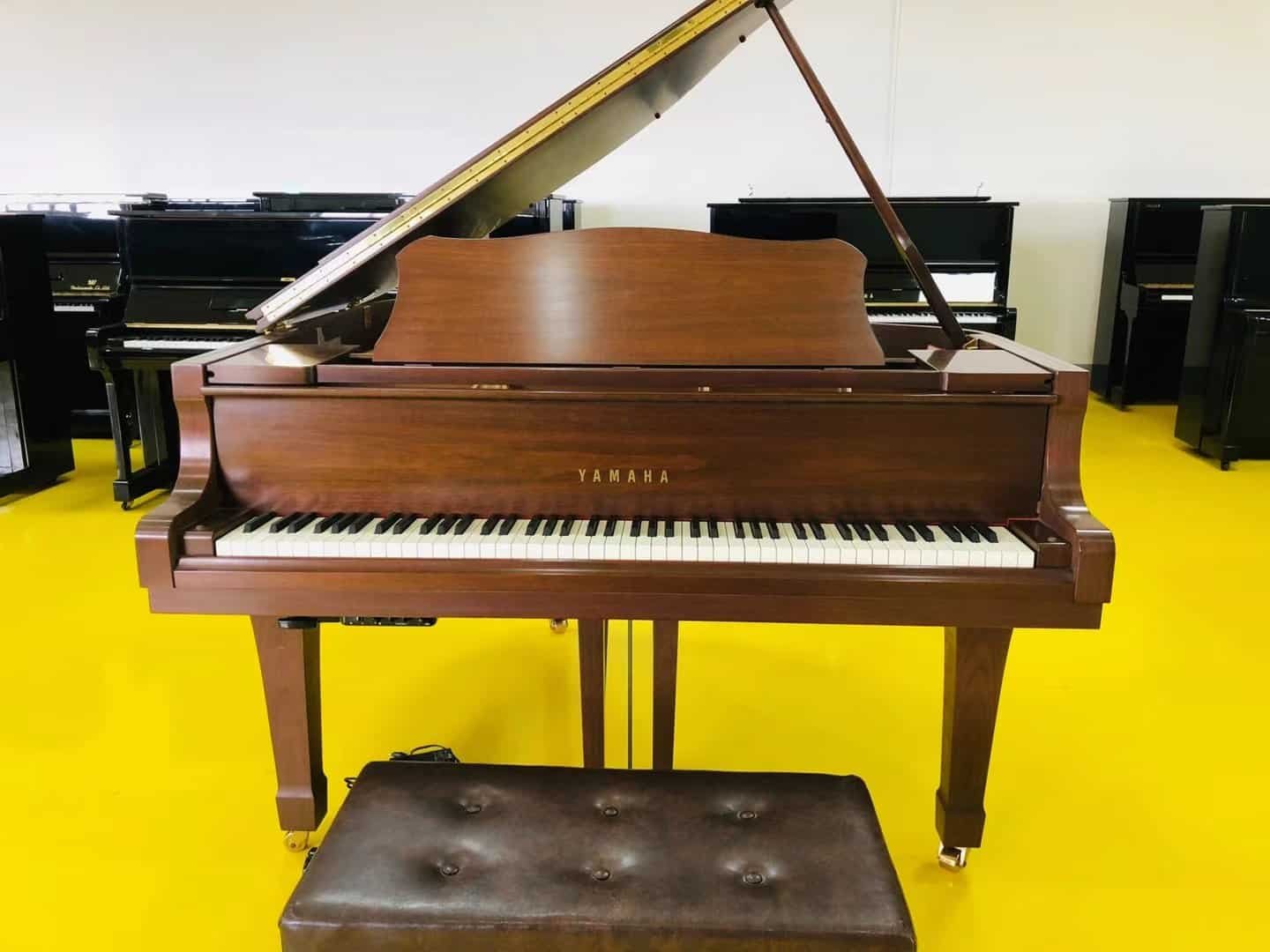
From my real‑world sourcing experience, I have watched numerous new buyers make a simple mistake. They compare Yamaha uprights directly against collectible‑grade Steinway, and set unreasonably high performance benchmarks. Remember, substitutes solve practical commercial needs; they are not exact performance duplicates.
If your customers lean toward grand‑piano playing experience instead of upright formats, used kawai grand piano deserves your attention. A well‑preserved used kawai grand piano delivers richer tonal layers and more responsive mechanical feedback compared to most upright instruments. These units fit recital rooms, advanced teaching studios and upscale home settings. Supply volumes are far more stable than vintage Steinway stock, and wholesale pricing stays transparent.
Beyond used piano yamaha and used kawai grand piano, pre‑owned Pearl River and Hailun pianos also serve as practical bulk‑buy alternatives. They fill the budget‑conscious segment nicely. You can mix these into your product portfolio to cover broader customer groups.
Even with all these solid substitutes available, industry insiders recognise a clear boundary. Alternative instruments handle daily teaching and casual performance tasks competently. Still, nothing can fully replicate the tonal nuance and collectible value found in a top‑tier used upright piano steinway. Serious performers and dedicated collectors will continue to seek out genuine Steinway whenever possible. This gap explains why so many high‑end dealers keep hunting for limited vintage stock despite all the difficulties.
3. Sisia Music: 100% Original Piano Factory, No Middleman Trading
Before you move further on sourcing decisions, I think it is important to clarify our company identity. Many overseas partners misunderstand what we do. Sisia Music Co., Ltd. is a piano research‑and‑manufacturing factory based in Zhejiang, China. Our core business focuses on designing, building and exporting brand‑new pianos. We hold our own proprietary brands Sabreen for high‑end lines and BADIVIA for cost‑effective civilian markets, alongside flexible OEM and ODM custom manufacturing for global brand holders.
We are a genuine production‑oriented factory, not a second‑hand piano broker or general‑purpose trading house. Have you dealt with typical instrument traders before? Most traders own zero production capacity. They source goods from scattered suppliers, mix batches together and resell them. They cannot control consistent craftsmanship, nor can they fix quality issues at the manufacturing source. That creates plenty of hidden headaches for B2B purchasers.
Every core production step for our new pianos happens inside our own facility. We operate complete workshops, R&D departments and dedicated quality‑check stations. We welcome global buyers to schedule advance on‑site factory visits. During your tour you can walk through assembly lines, examine finished‑product showrooms and observe our quality‑control workflows in‑person.
When international travel proves impractical, real‑time video factory tours remain available on all working days. We also accept formal third‑party audit requests from our B2B clients. Our factory‑direct sales model removes middle‑man markup for all our newly‑built piano product ranges.
Please note that our factory verification services mainly apply to our brand‑new manufactured goods. Although we offer auxiliary resource‑matching support for hard‑to‑find instruments such as used upright piano steinway, we do not run large‑scale piano restoration workshops. Second‑hand piano matching is a value‑add service for existing cooperative clients, and not our primary business activity.
Whether you pursue rare used upright piano steinway, large volumes of used piano yamaha, or sample inquiries for used kawai grand piano, our sales team can share market insights accumulated from years in this industry. Still, you should never treat us as a dedicated second‑hand piano dealer. Our greatest strength always lies in stable new‑piano mass‑production and customisation.
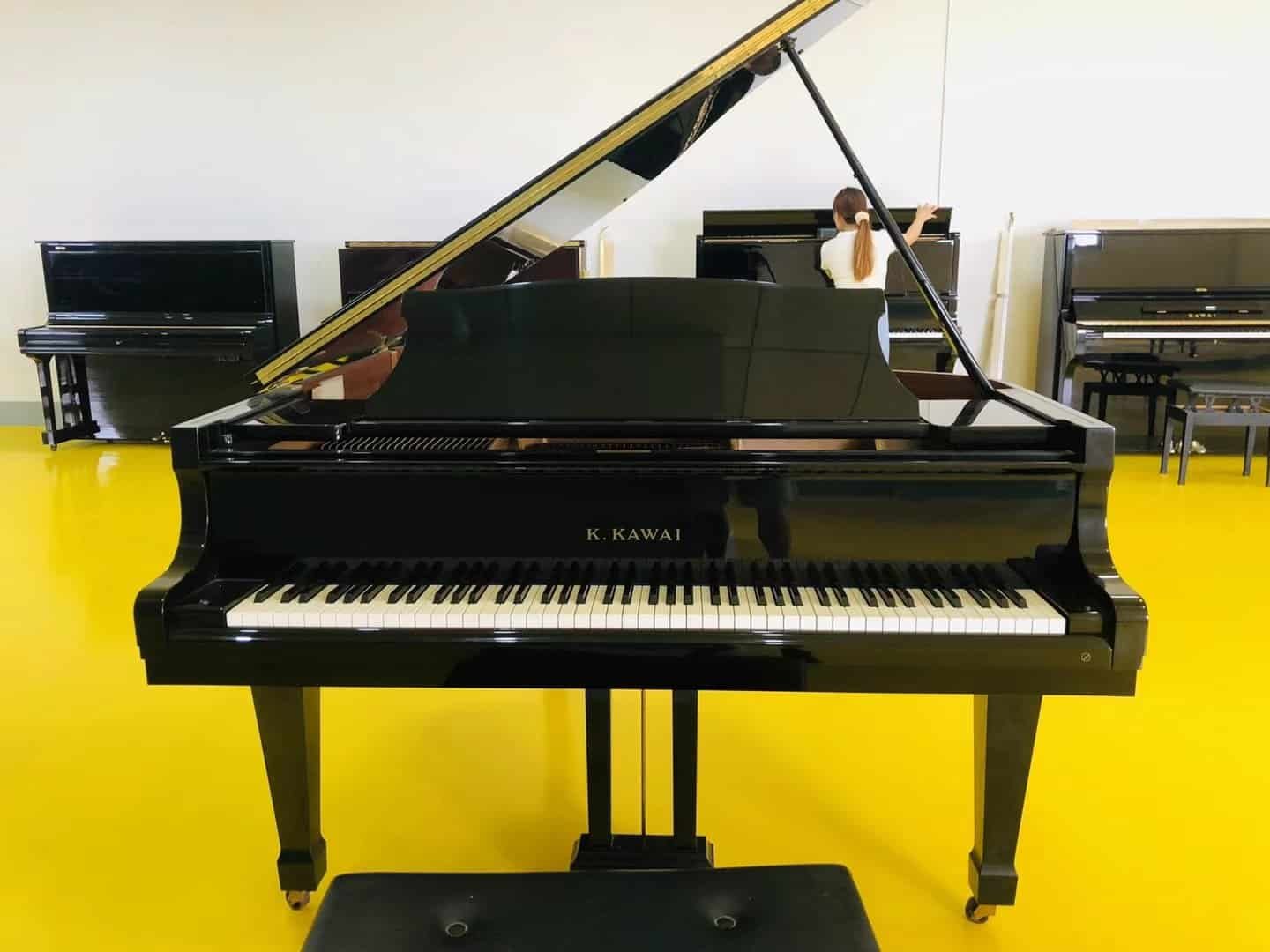
4. Practical B2B Sourcing Tips for Second‑Hand Piano Procurement
Over time I have collected many practical observations while supporting overseas piano wholesalers. A few straightforward precautions can help you avoid expensive missteps when buying pre‑owned pianos.
First, do not build your whole inventory strategy around scarce collectible‑grade stock like used upright piano steinway. These instruments pop‑up irregularly. You cannot guarantee supply for container‑size orders. Smart wholesalers balance small opportunities for premium vintage pieces against steady stock from options such as used piano yamaha or used kawai grand piano. This balanced portfolio protects your cash flow and keeps your retail shelves supplied.
Second, never make buying decisions based only on photos and short written descriptions. Condition varies wildly among pre‑owned musical instruments. Always request detailed condition reports, serial‑number documentation and, whenever feasible, inspection feedback from independent qualified piano technicians. Hidden wear inside hammers, soundboards or pin‑blocks can trigger huge repair bills after goods clear customs. I have met buyers who learned this lesson the hard way after receiving high‑value second‑hand pianos with unreported internal damage.
Third, get familiar with local import regulations for second‑hand musical instruments. Different countries impose special quarantine and document requirements for used goods. Missing paperwork will cause port hold‑ups and unexpected extra fees. Also remember that even well‑maintained pre‑owned pianos almost always require tuning and regulation after long ocean transit. You need to budget for these post‑arrival service costs in advance.
Fourth, set realistic product positioning for each piano category. Make sure your sales team understands the difference between collect‑grade vintage instruments and functional substitute models. Mis‑positioning goods will mislead your end‑customers and generate unnecessary returns and complaints.
If waiting for rare vintage piano resources creates too much risk for your current business cycle, turn your attention back to our core factory output. Our Sabreen and BADIVIA new‑piano product lines, plus custom OEM / ODM projects, deliver repeatable, stable batch supply for your wholesale business.
To sum‑up what we have covered here: Sisia Music Co., Ltd. does not keep spot‑on‑hand used upright piano steinway ready for immediate shipment. Four industry‑wide factors create this shortage: limited original ownership base, low resale willingness from existing owners, high technical and financial barriers for dealers to recycle these pianos, plus rapid sell‑through once quality examples hit the market. We can add you to a priority waiting‑list for resource matching, yet timing and actual availability remain uncertain.
If your procurement timeline cannot tolerate long waits, viable alternatives include used piano yamaha, used kawai grand piano, alongside pre‑owned Pearl River and Hailun pianos. These models satisfy most practical teaching and retail scenarios. Even so, for musicians and collectors chasing ultimate tonal performance and heritage value, used upright piano steinway maintains its one‑of‑a‑kind market standing.
As an authentic source piano manufacturer, we deliver factory‑direct new‑piano supply. Global B2B customers are welcome to book on‑site factory appointments or arrange real‑time video plant tours. We also provide flexible OEM and ODM customisation services, aiming to deliver low‑risk, dependable piano‑sourcing solutions for instrument wholesalers worldwide.
Authoritative Industry Reference
If you wish to deepen your knowledge covering vintage piano evaluation criteria, second‑hand piano market dynamics and well‑known piano brand histories, you may review relevant public entries on open authoritative platforms such as Wikipedia. These industry resources help global wholesale buyers better judge instrument value, recognise widespread second‑hand‑piano sourcing pitfalls, and build more stable long‑term purchasing strategies whether you are seeking used upright piano steinway, used piano yamaha or used kawai grand piano.